
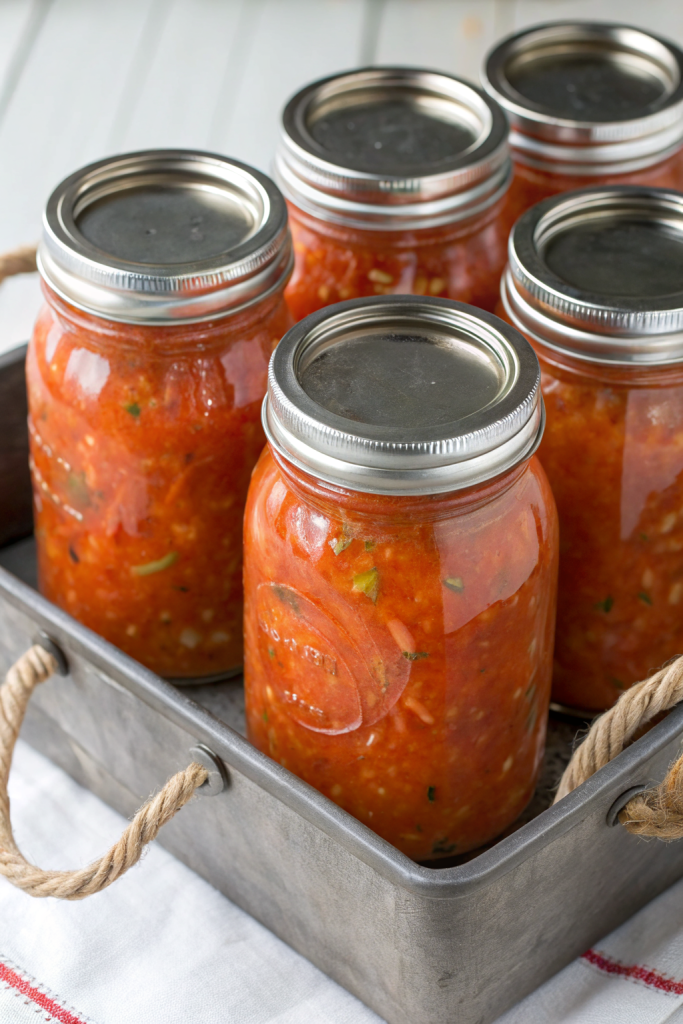
Best Ways To Preserve Tomatoes means bright, sweet-acid tomato flavor that tastes like late summer even when it’s snowing outside. It suits busy home cooks who want low-waste, high-flavor options and can spare anywhere from 10 minutes to a weekend afternoon. I still have tomato stains on my favorite T-shirt from my first canning marathon, so you’re in good company here.
Why Best Ways To Preserve Tomatoes Is Worth It
Tomatoes spoil fast, and that hurts when you paid good money or grew them yourself. When you preserve tomatoes well, you lock in flavor, stretch your grocery budget, and keep weeknight dinners simple.
You also gain options: smooth sauces, chunky salsas, frozen bags for soups, and even slow-roasted tomato “candy.” Once you stock your pantry and freezer with preserved tomatoes, you stop stressing about what to cook and start pulling flavor boosters like a pro.
“These methods turned my overflowing tomato haul into the best sauces and soups I’ve ever made—zero waste, all flavor. ★★★★★”
Ingredients You Need
Here’s a master list that covers the most common and best ways to preserve tomatoes. You will not use every item for every method, so think of this as a toolbox.
Tomatoes (choose a mix if you like):
- Roma or plum tomatoes – meaty, low moisture, perfect for canning and sauce
- San Marzano – rich, sweet, ideal for long-simmered sauce
- Beefsteak – juicy, nice for juice and chunky canned tomatoes
- Cherry or grape tomatoes – great for roasting, dehydrating, and quick freezing
- Heirloom tomatoes – amazing flavor, best for sauce, juice, and freezing
Basic add-ins and flavor boosters:
- Kosher salt or canning salt (no additives)
- Sugar (optional, to balance acidity in sauces)
- Fresh garlic cloves
- Yellow or sweet onions
- Fresh basil, oregano, thyme, or rosemary
- Black pepper, red pepper flakes
- Olive oil (use regular for cooking, extra-virgin for finishing)
- Lemon juice (bottled for canning, fresh for freezing and fresh-use sauces)
- Distilled white vinegar or apple cider vinegar (for salsa and pickled tomatoes)
Canning-specific ingredients:
- Bottled lemon juice (consistent acidity)
- Citric acid (small jar lasts ages; great for canning tomatoes)
- Pickling salt or canning salt
- Optional: tomato paste (to thicken quick sauces)
Freezing-specific items:
- Heavy-duty freezer bags (quart and gallon)
- Freezer-safe containers or deli containers
- Ice cube trays or silicone molds (for tomato paste, sauce, and purée cubes)
- Labeling tape and a marker
Dehydrating and roasting items:
- Olive oil
- Dried herbs (oregano, basil, thyme)
- Garlic powder or granules
- Sea salt or kosher salt
Pantry shortcuts and brand notes:
- If you run short on fresh tomatoes, you can stretch a batch of sauce with a can of good-quality crushed tomatoes (I like brands with only tomatoes and salt).
- Use pre-peeled garlic from the refrigerated section when you process huge batches.
- Tomato paste in a tube saves waste and works well to thicken sauces quickly.
Equipment list (mix and match by method):
- Large stock pot or Dutch oven
- Sharp chef’s knife and paring knife
- Large cutting board
- Slotted spoon
- Large bowl for ice bath
- Colander or mesh strainer
- Food mill, high-speed blender, or immersion blender
- Sheet pans for roasting
- Parchment paper or silicone baking mats
- Dehydrator (optional but handy)
- Canning jars (pint and quart), lids, and rings
- Water-bath canner or large deep pot with a rack
- Jar lifter and canning funnel
- Clean kitchen towels
- Freezer bags and containers
- Labels and marker
Quick Tips & substitutions
- Use firm, ripe tomatoes; skip moldy or badly bruised ones.
- Mix varieties for better flavor; combine sweet cherry tomatoes with more acidic Romas.
- Score an “X” on the bottom of each tomato and blanch 30–60 seconds to peel them quickly.
- Skip peeling if you roast or dehydrate; skins add flavor and texture.
- Add bottled lemon juice or citric acid to each jar when you can tomatoes to keep them safe.
- Use kosher or canning salt; avoid iodized salt, which can cloud jars and taste harsh.
- Swap fresh herbs with dried when you can or dehydrate; fresh herbs can darken.
- Freeze tomatoes whole when you feel tired; peel slips off easily under warm water later.
- Roast watery or bland tomatoes to concentrate flavor before freezing or blending.
- Use ice cube trays to freeze tomato paste, purée, or sauce in small portions.
- Label every bag and jar with contents and date; future you will thank you.
- Keep garlic and oil combos in the freezer, not on the counter, to keep them safe.
How to Make Best Ways To Preserve Tomatoes
You can preserve tomatoes in several ways: canning, freezing, roasting, dehydrating, and quick refrigerator methods. Choose one or two that match your time and comfort level, then build from there.
Step 1: Sauté veggies and aromatics
Heat oil in a large stock pot or Dutch oven over medium heat. Once hot, add onions and carrots; cook until soft, about 8 minutes. Stir in garlic, ginger, harissa, coriander, and turmeric; cook 2 minutes, until aromatic. Season with salt.
You can use this base for tomato sauce, tomato soup, or a rich tomato stew. Add chopped or crushed tomatoes, simmer until thick, then preserve by canning or freezing.
Step 2: Prep and peel tomatoes (optional but helpful)
Bring a large pot of water to a boil and set up a big bowl with ice water. Cut a small “X” on the bottom of each tomato and drop them into the boiling water for 30–60 seconds. Move them to the ice bath, then slip off the skins with your fingers or a small knife.
Core large tomatoes and trim any bad spots. You can leave cherry tomatoes whole and unpeeled for roasting, dehydrating, or freezing.
Step 3: Simple tomato freezing method
Spread whole or halved tomatoes in a single layer on a parchment-lined sheet pan. Freeze until solid, then move them to labeled freezer bags, pressing out extra air. Use these tomatoes later in soups, stews, and sauces.
For crushed tomatoes, chop peeled tomatoes, place them in a pot, and simmer 10–15 minutes with a pinch of salt. Cool, portion into containers or bags, label, and freeze.
Step 4: Roasted tomatoes for deep flavor
Preheat your oven to 375–400°F (190–200°C). Halve Roma or plum tomatoes lengthwise and place them cut-side up on a lined sheet pan. Drizzle lightly with olive oil, sprinkle with salt, pepper, and dried herbs.
Roast 45–90 minutes, depending on size and how concentrated you want them. Cool, then pack into containers or freezer bags with a little olive oil between layers. Use these in pasta, grain bowls, sandwiches, and sauces.
Step 5: Dehydrated tomatoes (with or without a dehydrator)
Slice tomatoes into even slices, about ¼ inch thick, or halve cherry tomatoes. Arrange them on dehydrator trays or parchment-lined sheet pans, cut-side up. Sprinkle lightly with salt and optional herbs.
Dry in a dehydrator at 125–135°F (52–57°C) until leathery but not brittle, often 8–12 hours. In an oven, use the lowest setting, crack the door slightly, and check often. Cool completely, then store in airtight jars or bags; keep them in the fridge or freezer for longer life.
Step 6: Basic tomato sauce for canning or freezing
Add chopped or crushed tomatoes to the pot with your sautéed aromatics. Bring to a simmer and cook 30–60 minutes, stirring occasionally, until the sauce thickens and tastes rich. Blend with an immersion blender or keep it chunky.
Taste and adjust salt, a pinch of sugar if needed, and herbs. Cool and freeze in containers, or move to hot jars for canning.
Step 7: Water-bath canning plain tomatoes or sauce
Wash jars, lids, and rings in hot soapy water and rinse well. Keep jars hot in a pot of simmering water or in a warm oven. Heat your tomato sauce or crushed tomatoes until they bubble gently.
Add bottled lemon juice or citric acid to each hot jar (follow a trusted canning chart for amounts). Fill jars with hot tomatoes or sauce, leaving proper headspace, then remove air bubbles with a clean utensil. Wipe rims, add lids and rings, and place jars in a boiling water-bath canner.
Process for the time that matches your jar size, recipe, and altitude from a reliable canning guide. Lift jars out, set them on a towel, and let them cool undisturbed. Check seals after cooling; store sealed jars in a cool, dark place.
Step 8: Quick refrigerator tomato methods
For quick refrigerator sauce, simmer chopped tomatoes with garlic, onion, olive oil, salt, and herbs until thick. Cool, then store in jars in the fridge for up to a week, or freeze for longer. You can also make quick tomato confit by roasting cherry tomatoes with olive oil and garlic until soft and jammy, then chilling in the fridge.
Use these quick methods when you have a smaller batch and no interest in canning that day. They still give you the flavor and flexibility of preserved tomatoes with less commitment.
Recipe Variations
- Gluten-free: All basic tomato preserving methods stay naturally gluten-free; just check spice blends and vinegar labels.
- Vegan: Use olive oil or neutral oil instead of butter; skip any cheese in sauces until serving time.
- Low carb: Focus on roasted, canned, or frozen tomatoes without added sugar; rely on herbs and spices for flavor.
- Spicy: Add red pepper flakes, fresh chiles, or harissa to sauces and roasted tomatoes.
- Smoky: Stir in smoked paprika or chipotle to sauces or roasted batches.
- Herb-forward: Add basil, oregano, and thyme near the end of cooking for bright flavor.
- No-cook freezer method: Blend raw tomatoes with garlic, basil, salt, and a splash of olive oil, then freeze as purée cubes for quick soups and sauces.
Ways to Serve Best Ways To Preserve Tomatoes
- Toss roasted or frozen tomatoes into quick pasta with garlic and herbs.
- Blend canned or frozen tomatoes into tomato soup and serve with grilled cheese.
- Spoon tomato confit over avocado toast or scrambled eggs.
- Use dehydrated tomatoes in salads, grain bowls, and sandwiches.
- Stir tomato sauce into skillet dinners with beans, vegetables, or chicken.
- Add tomato purée cubes to simmering rice, lentils, or vegetable stews.
Storage Success
Store canned tomatoes and sauce in a cool, dark pantry and use them within 12–18 months for best flavor. Keep frozen tomatoes, sauce, and purée tightly sealed and use them within 6–8 months. Store roasted and dehydrated tomatoes in the fridge or freezer, especially when you pack them in oil.
Label every container with the type of tomato product and the date so you rotate older batches first. If anything smells off, looks moldy, or feels fizzy, toss it and move on; your safety matters more than one jar of tomatoes.
Leave a Reply