

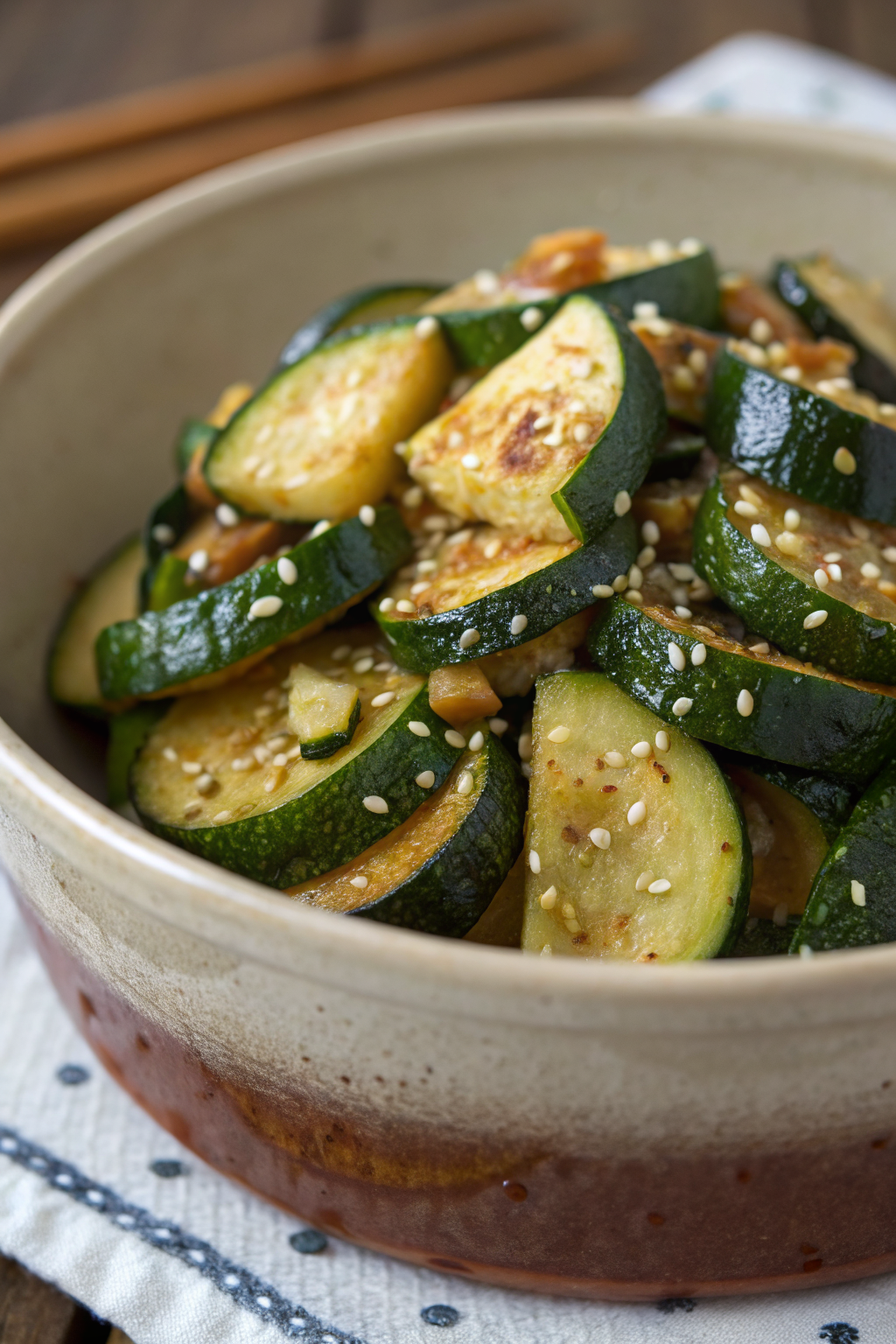
Hibachi Zucchini Recipe tastes smoky, buttery, and garlicky with just enough soy sauce to make it taste like your favorite Japanese steakhouse side. It works for busy weeknights, meal prep lovers, and anyone who wants a veggie side on the table in about 20 minutes. I first fell in love with hibachi zucchini while trying to copy the flavors from a tiny strip-mall hibachi spot near my college apartment.
Why Hibachi Zucchini Recipe Is Worth It
Hibachi zucchini cooks fast, uses simple ingredients, and still tastes restaurant-level. You get tender-crisp zucchini, a little char, and that buttery garlic-soy flavor that makes you forget you’re eating a big pile of vegetables.
You also cook everything in one pan, so cleanup stays easy. The recipe scales well, so you can cook a small batch for two or a big pan for a family dinner or meal prep.
“This hibachi zucchini recipe tastes exactly like my favorite Japanese steakhouse side dish, but I make it in 15 minutes at home. ★★★★★”
Ingredients You Need
Here’s what you need to make hibachi-style zucchini at home. I’ll add quick notes on brands and easy swaps as we go.
Vegetables
- 3 medium zucchini, cut into thick half-moons or batons
- 1 small yellow onion, sliced into thin wedges (or use pre-sliced frozen onions to save time)
- 1 small carrot, cut into thin matchsticks (optional, but adds color and sweetness)
- 1 small yellow squash, sliced (optional, great if you have a mix from the store or garden)
Fats & Flavor Base
- 1–2 tablespoons neutral oil (avocado, canola, or vegetable oil all work well)
- 1 tablespoon unsalted butter (use vegan butter for dairy-free)
- 2–3 cloves garlic, minced (jarred minced garlic works in a pinch)
- 1 teaspoon fresh ginger, minced or grated (or 1/4 teaspoon ground ginger if you need a shortcut)
Sauces & Seasoning
- 2 tablespoons low-sodium soy sauce (use tamari or coconut aminos for gluten-free)
- 1 teaspoon toasted sesame oil (adds that hibachi-style depth)
- 1/2 teaspoon sugar or honey (balances the salt; use a pinch of monk fruit or skip for low carb)
- 1/4 teaspoon black pepper
- 1/4 teaspoon garlic powder (boosts the fresh garlic flavor)
- Pinch of red pepper flakes (optional heat)
- Kosher salt, to taste
Garnishes (Optional but tasty)
- 1–2 teaspoons toasted sesame seeds
- 1–2 green onions, thinly sliced
- Yum yum sauce or spicy mayo on the side (store-bought works fine)
Equipment
- Large nonstick skillet, cast iron skillet, or flat griddle (bigger surface = better browning)
- Cutting board and sharp knife
- Small bowl for mixing sauce
- Spatula or tongs
Quick Tips & substitutions
- Cut zucchini into thicker pieces so they stay tender-crisp and don’t turn mushy.
- Pat zucchini dry with a paper towel before cooking to help them brown instead of steam.
- Use a very hot pan so the veggies sear quickly and keep some bite.
- Swap soy sauce with tamari or coconut aminos if you need a gluten-free hibachi zucchini recipe.
- Use vegan butter and skip honey to keep the dish fully vegan.
- Add mushrooms, broccoli, or snap peas if you want more hibachi-style mixed vegetables.
- Use pre-minced garlic and ginger from the fridge to cut down on prep time.
- Double the sauce if you plan to serve this over rice or noodles and want extra flavor.
How to Make Hibachi Zucchini Recipe
Step 1: Prep the veggies and sauce
Slice zucchini into half-moons about 1/2-inch thick, or cut them into batons like mini fries. Slice the onion into thin wedges and cut the carrot into matchsticks if you use it.
In a small bowl, mix soy sauce, sesame oil, sugar or honey, black pepper, garlic powder, and red pepper flakes. Set the sauce near the stove so you can grab it quickly.
Step 2: Sauté veggies and aromatics
Heat oil in a large skillet or griddle over medium-high heat. When the oil shimmers, add the onion and carrot and cook until they soften slightly and pick up a little color, about 3–4 minutes.
Add the zucchini (and yellow squash if using) in a single layer as much as possible. Let the pieces sit undisturbed for 2–3 minutes so they sear and brown on one side, then toss and cook another 3–4 minutes until tender-crisp.
Push the veggies to the edges of the pan and add the butter, garlic, and ginger to the center. Stir the aromatics in the butter for about 30 seconds until they smell fragrant, then toss everything together so the garlic and ginger coat the vegetables. Season with a small pinch of salt.
Step 3: Add sauce and finish
Pour the sauce over the vegetables and toss quickly so every piece gets coated. Cook 1–2 more minutes, so the sauce thickens slightly and clings to the zucchini.
Taste and adjust with a little extra soy sauce, black pepper, or red pepper flakes if you want more kick. Turn off the heat and sprinkle with sesame seeds and green onions before serving.
Recipe Variations
- Gluten-free: Use tamari or certified gluten-free soy sauce and check that your sesame seeds and seasonings list gluten-free on the label.
- Vegan: Use oil plus vegan butter, skip honey, and use sugar or maple syrup instead.
- Low carb / keto: Skip the carrot and sweetener, or use a tiny pinch of monk fruit or erythritol.
- Extra protein: Toss in cubed tofu, shrimp, or thinly sliced chicken that you cook in the pan first, then add back at the end.
- Spicy version: Add more red pepper flakes or a drizzle of sriracha with the sauce.
- Garlic lover’s version: Add an extra clove of garlic and a pinch more garlic powder.
Ways to Serve Hibachi Zucchini Recipe
- Spoon over steamed white or brown rice for a quick weeknight bowl.
- Serve alongside grilled chicken, steak, or salmon as a lighter side dish.
- Pair with fried rice and hibachi-style chicken for a full Japanese steakhouse-style dinner at home.
- Add to a noodle bowl with ramen or soba, plus a soft-boiled egg and extra green onions.
- Pack into meal prep containers with rice and another protein for easy lunches.
Storage Success
Store leftover hibachi zucchini in an airtight container in the fridge for up to 3–4 days. Reheat it in a hot skillet with a tiny splash of oil or water so it warms through without turning soggy. You can also microwave it in short bursts and stir between each round. If the zucchini releases extra liquid, use a slotted spoon when serving or simmer it briefly in the pan to cook off the moisture.
Hibachi Zucchini Recipe
Ingredients
Instructions
- Slice the zucchini into 1/2-inch thick half-moons or batons. Slice the yellow onion into thin wedges and cut the carrot into thin matchsticks if using. Slice the yellow squash if using.
- Pat the zucchini (and yellow squash, if using) dry with a paper towel to help them brown instead of steam.
- In a small bowl, whisk together the soy sauce, toasted sesame oil, sugar or honey, black pepper, garlic powder, and red pepper flakes if using. Set the sauce near the stove.
- Heat the neutral oil in a large skillet or griddle over medium-high heat until the oil shimmers.
- Add the onion and carrot and cook, stirring occasionally, for 3–4 minutes until they soften slightly and pick up a little color.
- Add the zucchini (and yellow squash, if using) in as close to a single layer as possible. Let the vegetables cook undisturbed for 2–3 minutes so they sear and brown on one side.
- Toss or stir and continue cooking for another 3–4 minutes, until the zucchini is tender-crisp with some browned spots.
- Push the vegetables to the edges of the pan. Add the butter, minced garlic, and minced ginger to the center of the pan.
- Stir the garlic and ginger in the melted butter for about 30 seconds, just until fragrant, then toss to coat all of the vegetables. Season with a small pinch of kosher salt.
- Pour the prepared sauce over the vegetables and toss quickly so all the pieces are evenly coated.
- Cook for 1–2 more minutes, stirring, until the sauce thickens slightly and clings to the zucchini.
- Taste and adjust seasoning with a little extra soy sauce, black pepper, or red pepper flakes if desired.
- Remove from the heat and sprinkle with toasted sesame seeds and sliced green onions if using. Serve hot, with yum yum sauce or spicy mayo on the side if you like.
Notes
Approximate per serving (1 of 4): 120 calories; fat 8 g; saturated fat 2.5 g; carbohydrates 10 g; fiber 2 g; sugars 6 g; protein 3 g; sodium 440 mg. Values will vary based on exact ingredient brands, optional vegetables, and portion size.
Leave a Reply