

Udon Noodle Stir Fry Recipe hits that perfect spot between chewy comfort food and quick weeknight dinner, and I still crave it after a decade of recipe testing. It works for busy home cooks who want big flavor in about 25–30 minutes with minimal chopping and zero stress. I ate a version of this in a tiny Tokyo train station years ago, and I have chased that same saucy, slurpy joy in my kitchen ever since.
Why Udon Noodle Stir Fry Recipe Is Worth It
Thick, bouncy udon noodles soak up a glossy, savory sauce that tastes slightly sweet, garlicky, and a little spicy if you like heat. The vegetables stay crisp-tender, the noodles stay chewy, and the whole pan smells like your favorite takeout spot in the best way.
You toss everything together in one big skillet, so cleanup stays easy and the whole meal lands on the table fast. The recipe also loves customization, so you can use whatever veggies and protein you already have in the fridge.
“This Udon Noodle Stir Fry Recipe tastes like restaurant takeout, but it comes together faster than delivery and disappears even faster at the table. ★★★★★”
Ingredients You Need
Noodles
- 14–16 oz fresh or frozen udon noodles
- Fresh or frozen udon gives the best chewy texture.
- Use shelf-stable udon bricks in a pinch; just cook slightly under the package time so they stay firm.
Veggies
- 1 cup thinly sliced onion (yellow or sweet)
- 1 cup matchstick carrots or carrot ribbons
- 1 red bell pepper, thinly sliced
- 1 cup snap peas or snow peas, trimmed
- 1 cup shredded green cabbage or coleslaw mix (easy shortcut)
- 3–4 green onions, sliced (white and green parts separated)
You can swap any of these with broccoli florets, baby bok choy, mushrooms, or zucchini. Use up that half bag of coleslaw mix or lonely bell pepper and feel very smug about your fridge-clearing skills.
Aromatics
- 3 cloves garlic, minced
- 1–2 tsp fresh ginger, grated or minced
- 1–2 tsp chili garlic sauce or sriracha (optional, for heat)
Jarred minced garlic and ginger paste work when you feel tired or rushed. Fresh still gives the brightest flavor, though.
Sauce
- 1/4 cup low-sodium soy sauce (or tamari for gluten-free)
- 2 tbsp oyster sauce or vegetarian mushroom stir fry sauce
- 1–2 tbsp dark soy sauce (adds color and depth, optional but tasty)
- 1–2 tbsp mirin or mild rice vinegar + 1 tsp sugar as a swap
- 1 tbsp brown sugar or honey
- 1–2 tsp toasted sesame oil
- 1/4–1/3 cup water or low-sodium broth (to loosen the sauce)
Use low-sodium soy sauce so the dish does not turn too salty when the sauce reduces. I like Kikkoman or Yamasa for soy, and Lee Kum Kee for oyster sauce or mushroom sauce.
Protein Options (pick one or mix)
- 8–10 oz chicken thigh or breast, thinly sliced
- 8–10 oz flank steak or sirloin, thinly sliced across the grain
- 8–10 oz extra-firm tofu, pressed and cubed
- 8–10 oz shrimp, peeled and deveined
Season protein lightly with salt and pepper before cooking. Use leftover rotisserie chicken or cooked shrimp as a shortcut and toss them in near the end to warm through.
Oil & Garnishes
- 2–3 tbsp neutral oil (avocado, canola, or grapeseed)
- Sesame seeds
- Extra sliced green onions
- Lime wedges (optional, but bright and tasty)
Equipment List
- Large nonstick skillet, wok, or wide Dutch oven
- Tongs or chopsticks for tossing noodles
- Cutting board and sharp knife
- Small bowl and whisk for sauce
- Colander for draining noodles
Quick Tips & substitutions
- Use frozen udon straight from the freezer; run under warm water to loosen, then toss in the pan.
- Rinse cooked udon briefly under cold water so the noodles stop cooking and stay chewy.
- Slice veggies thin so they cook fast and keep a little crunch.
- Cook protein in a single layer so it browns instead of steaming.
- Swap soy sauce with tamari or coconut aminos for gluten-free needs.
- Use mushroom stir fry sauce instead of oyster sauce for a fully meat-free version.
- Toss in a spoonful of chili crisp or chili oil at the end if you love heat.
- Keep the sauce slightly loose in the pan; the noodles soak it up as they sit.
- Taste the sauce before you add it and adjust salt, sweetness, or heat to your preference.
- Double the sauce if you like extra slurp and want leftovers that still taste saucy.
How to Make Udon Noodle Stir Fry Recipe
Step 1: Prep noodles and sauce
Cook udon noodles according to package directions, but stop 1–2 minutes before they turn fully tender. Drain, rinse quickly under cold water, and toss with a tiny drizzle of oil so they do not clump.
In a small bowl, whisk soy sauce, oyster or mushroom sauce, dark soy, mirin, brown sugar, sesame oil, and water or broth. Taste and adjust sweetness or saltiness. Set the sauce near the stove so you can grab it quickly.
Step 2: Cook the protein
Heat 1 tbsp oil in your skillet or wok over medium-high heat. Add sliced chicken, beef, tofu, or shrimp in a single layer. Cook, stirring occasionally, until the protein browns and cooks through, about 3–5 minutes depending on the type and thickness.
Transfer the cooked protein to a plate and keep it nearby. The browned bits in the pan will flavor the veggies and sauce.
Step 3: Sauté veggies and aromatics
Heat another 1–2 tbsp oil in the same skillet over medium-high heat. Add onions and carrots; cook until they soften slightly and start to turn golden, about 5–6 minutes. Add bell pepper, peas, and cabbage; stir and cook 3–4 minutes, until crisp-tender.
Stir in garlic, ginger, and chili garlic sauce or sriracha. Cook about 1–2 minutes, until everything smells fragrant and your kitchen smells like a noodle shop. Sprinkle a pinch of salt over the veggies to season them.
Step 4: Bring noodles and sauce together
Add the cooked udon noodles and the cooked protein back into the skillet. Pour the sauce over everything. Use tongs to toss gently, so the noodles separate and soak up the sauce.
Cook 2–4 minutes, stirring often, until the sauce thickens slightly and coats the noodles. If the pan looks dry, splash in a tablespoon or two of water. Turn off the heat and stir in most of the sliced green onions.
Step 5: Taste, garnish, and serve
Taste a noodle and adjust seasoning with extra soy sauce, a squeeze of lime, or more chili sauce. Sprinkle sesame seeds and the remaining green onions over the top. Serve the Udon Noodle Stir Fry Recipe hot, straight from the pan, while the noodles stay bouncy and the veggies stay crisp.
Recipe Variations
- Gluten-free: Use gluten-free udon or thick rice noodles, tamari instead of soy sauce, and gluten-free oyster or mushroom sauce.
- Vegan: Use tofu or edamame for protein and mushroom stir fry sauce instead of oyster sauce.
- Low carb-ish: Swap half the udon with spiralized zucchini or shredded cabbage, then cook them lightly so they stay firm.
- Extra protein: Add scrambled egg, more tofu, or a handful of edamame.
- Extra veggies: Toss in mushrooms, baby spinach, or broccoli florets during the veggie step.
- Extra spicy: Add more chili garlic sauce, crushed red pepper, or a spoonful of chili crisp at the end.
Ways to Serve Udon Noodle Stir Fry Recipe
- Serve in big bowls with chopsticks and a fork nearby for backup.
- Add a side of steamed edamame with sea salt.
- Pair with a simple cucumber salad dressed with rice vinegar and sesame oil.
- Pack leftovers in a thermos or microwave-safe container for a quick work lunch.
- Top with a fried or soft-boiled egg for a cozy, noodle-shop style meal.
Storage Success
Cool the Udon Noodle Stir Fry Recipe to room temperature, then store it in an airtight container in the fridge for up to 3–4 days. The noodles will soak up more sauce as they sit, so add a splash of water or broth when you reheat them on the stove or in the microwave. Stir once or twice during reheating so the noodles warm evenly and do not dry out. If you plan to freeze, keep the noodles slightly undercooked, cool completely, and freeze up to one month, then thaw overnight in the fridge before reheating.
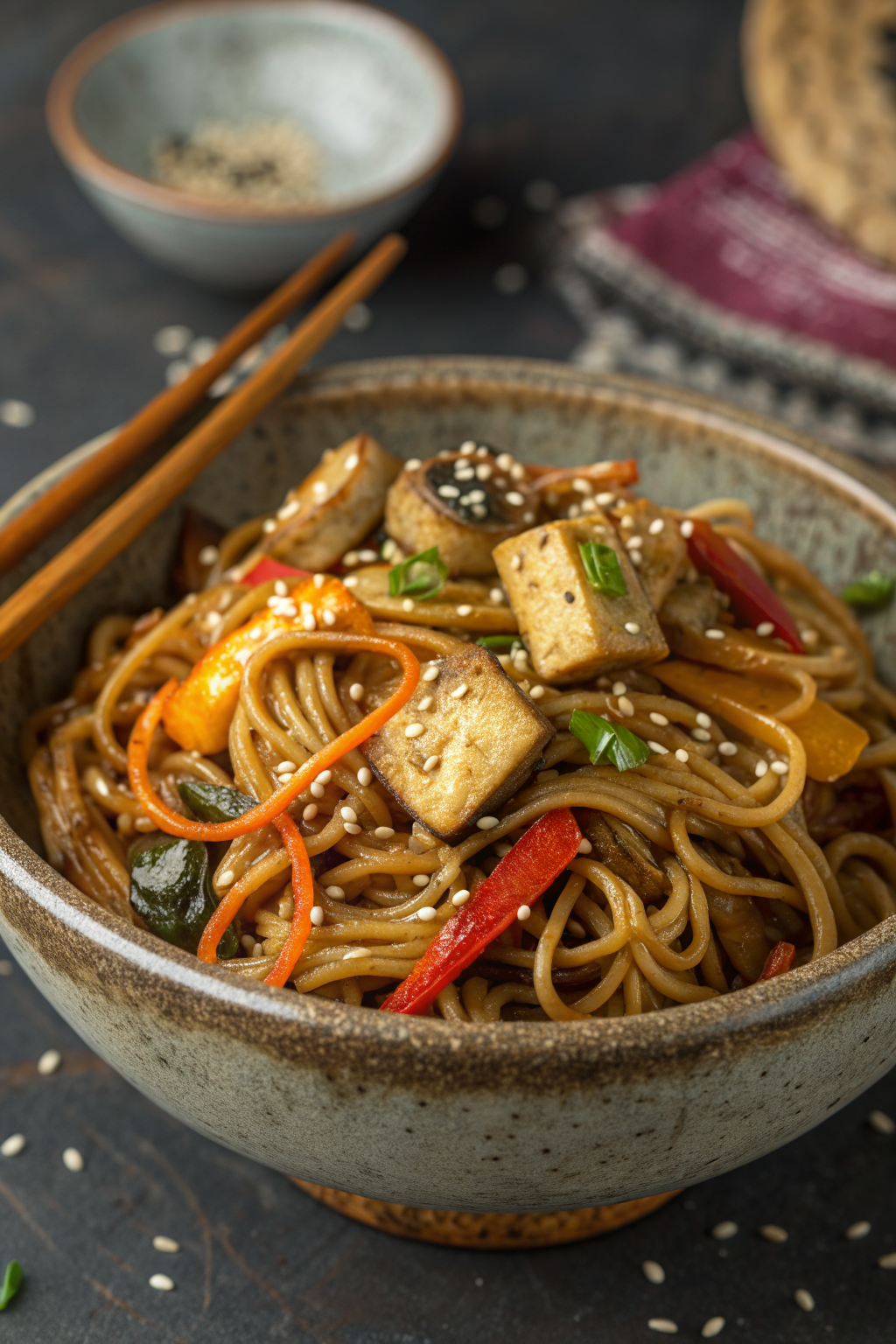
Udon Noodle Stir Fry Recipe
Ingredients
Instructions
- Cook udon noodles according to package directions, stopping 1–2 minutes before they are fully tender.
- Drain the noodles, rinse briefly under cold water, and toss with a small drizzle of oil to prevent clumping. Set aside.
- In a small bowl, whisk together the soy sauce, oyster or mushroom sauce, dark soy sauce if using, mirin or rice vinegar mixture, brown sugar or honey, toasted sesame oil, and water or broth. Taste and adjust for sweetness or saltiness as needed. Keep the sauce near the stove.
- Heat 1 tablespoon of neutral oil in a large skillet or wok over medium-high heat.
- Add your chosen protein in a single layer and cook, stirring occasionally, until browned and cooked through, about 3–5 minutes depending on type and thickness.
- Transfer the cooked protein to a plate and set aside, leaving any browned bits in the pan.
- Add 1–2 more tablespoons of oil to the same skillet and heat over medium-high heat.
- Add the sliced onion and carrots and cook until slightly softened and starting to turn golden, about 5–6 minutes.
- Add the red bell pepper, snap peas or snow peas, and shredded cabbage. Stir and cook until crisp-tender, about 3–4 minutes.
- Stir in the garlic, ginger, and chili garlic sauce or sriracha if using. Cook 1–2 minutes, until fragrant. Season the vegetables with a small pinch of salt.
- Add the cooked udon noodles and reserved protein back to the skillet with the vegetables.
- Pour the prepared sauce over everything and use tongs to toss gently, separating the noodles so they are evenly coated.
- Cook for 2–4 minutes, stirring often, until the sauce thickens slightly and clings to the noodles. If the pan looks dry, add a tablespoon or two of water.
- Stir in most of the sliced green onions, reserving some for garnish, then turn off the heat.
- Taste a noodle and adjust seasoning with more soy sauce, a squeeze of lime, or extra chili sauce if desired.
- Sprinkle with sesame seeds and the remaining green onions.
- Serve hot straight from the pan while the noodles are bouncy and the vegetables are crisp-tender.
Notes
Approximate per serving (4 servings, using 16 oz noodles, vegetables as listed, sauce as written, and 8 oz chicken, cooked in 2 tablespoons oil): 520 calories; fat 17 g; saturated fat 3 g; carbohydrates 73 g; fiber 5 g; sugars 15 g; protein 23 g; sodium 1450 mg. Values will vary based on protein choice, brands, add-ins, and portion size.
Leave a Reply