
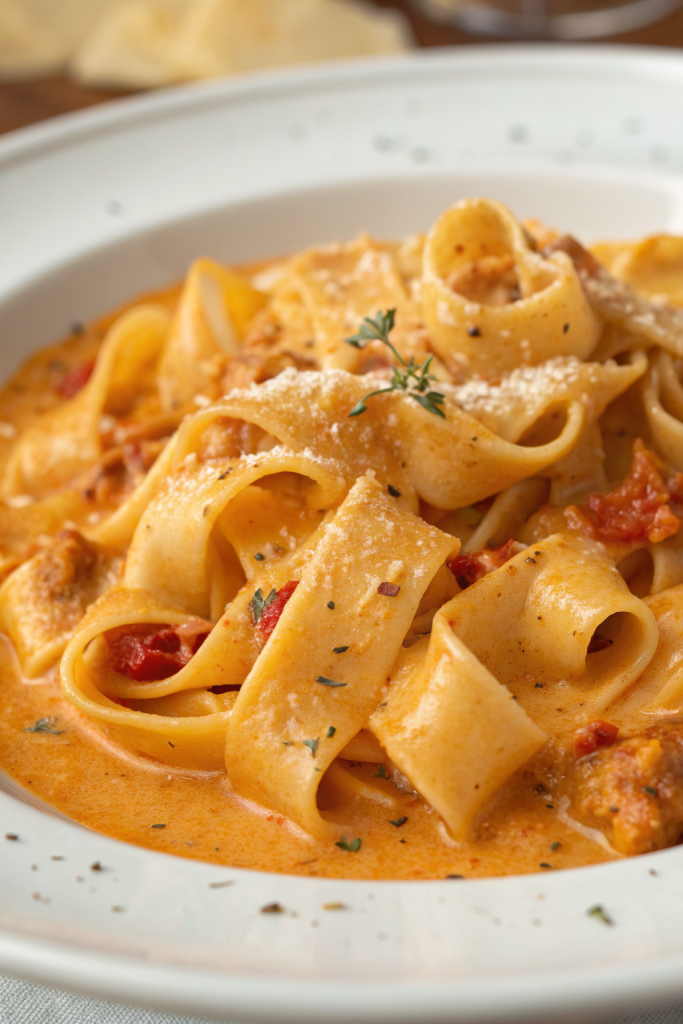
Spicy Butternut Squash Pasta Recipe tastes creamy, cozy, and a little fiery, perfect for anyone who loves comfort food with a kick and wants dinner on the table in about 45 minutes. It works for busy weeknights, date nights at home, and meal prep Sundays when you want something that feels special without a ton of effort. I tested this on my own picky family in a tiny apartment kitchen, so you know every step works in real life, not just on a studio set.
Why Make This Spicy Butternut Squash Pasta Recipe at Home
This pasta gives you all the creaminess of a rich Alfredo, but the sauce comes from roasted butternut squash instead of heavy cream. The squash adds natural sweetness, the spice adds heat, and the blender turns it into a silky sauce that hugs every noodle.
You control the spice level, the salt, and the quality of ingredients, which beats takeout every time. You also get a big batch of leftovers that taste even better the next day, which future you will appreciate.
“This Spicy Butternut Squash Pasta Recipe tastes like fall comfort food met a chili pepper and decided to become my new weeknight favorite. ★★★★★”
Ingredients You Need
Pasta
- 12 ounces short pasta
- I like rigatoni, penne, or fusilli because the ridges hold the sauce.
- Use gluten free pasta if needed and cook it just to al dente so it does not turn mushy in the sauce.
Butternut squash base
- 1 medium butternut squash, about 2 to 2.5 pounds, peeled, seeded, and cubed
- Shortcut: use 4 to 5 cups of pre-cut squash from the produce section.
- 2 tablespoons olive oil
- 1 teaspoon kosher salt
- 1/2 teaspoon black pepper
You can also use frozen cubed butternut squash. Roast it from frozen with a drizzle of oil and the same seasonings, and add a few extra minutes in the oven.
Aromatics and flavor
- 2 tablespoons olive oil
- 1 medium yellow onion, diced
- 1 medium carrot, diced small
- 3 to 4 cloves garlic, minced
- 1 teaspoon fresh ginger, grated or very finely minced
- 1 to 2 tablespoons harissa paste
- Use mild harissa for gentle heat or hot harissa if you love a strong kick.
- If you cannot find harissa, use 1 tablespoon tomato paste plus 1 to 2 teaspoons chili flakes.
- 1 teaspoon ground coriander
- 1/2 teaspoon ground turmeric
- 1/4 to 1/2 teaspoon red pepper flakes, optional, for extra heat
- 1 to 1.5 teaspoons kosher salt, to taste
Liquid and creaminess
- 2 cups low sodium vegetable broth or chicken broth
- I often use Better Than Bouillon vegetable base with water as a pantry shortcut.
- 1/2 to 3/4 cup canned coconut milk, heavy cream, or half and half
- Coconut milk keeps it dairy free and adds a subtle sweetness that works well with squash.
- 1 tablespoon lemon juice or apple cider vinegar
- 1 to 2 teaspoons maple syrup or honey, optional, to balance acidity and spice
Finishing touches
- 1/2 cup grated Parmesan or Pecorino Romano, plus more for serving
- Use nutritional yeast for a dairy free option.
- 2 tablespoons butter or vegan butter
- Fresh herbs: chopped sage, thyme, or parsley
- Extra chili flakes for topping, optional
Equipment
- Large sheet pan
- Large stock pot or Dutch oven
- Large pot for boiling pasta
- Blender or immersion blender
- Sharp chef’s knife and vegetable peeler
- Wooden spoon or spatula
- Measuring cups and spoons
Tips & Mistakes
- Salt the pasta water generously so the noodles taste seasoned, not bland.
- Roast the squash until you see caramelized edges, since that browning gives the sauce deep flavor.
- Do not rush the onions and carrots; cook them until soft and lightly golden, or the sauce will taste flat.
- Add harissa in stages and taste as you go, since every brand brings a different heat level.
- Reserve at least 1 cup of pasta water before you drain, so you can adjust the sauce texture later.
- Blend the sauce until completely smooth, or you will find little squash chunks that feel gritty on the pasta.
- Toss the pasta with the sauce over low heat, not high heat, so the dairy does not curdle and the pasta does not overcook.
- Store the pasta and extra sauce separately when possible, so the noodles do not soak up all the moisture overnight.
How to Make Spicy Butternut Squash Pasta Recipe
Step 1: Roast the butternut squash
Preheat your oven to 400°F and line a sheet pan with parchment for easier cleanup. Toss the cubed butternut squash with olive oil, salt, and pepper, then spread it in a single layer. Roast for 25 to 30 minutes, toss once halfway, and cook until the edges turn golden and the centers feel very tender.
Step 2: Cook the pasta
Bring a large pot of salted water to a boil. Add the pasta and cook until al dente, according to package directions. Scoop out at least 1 cup of starchy pasta water, then drain the pasta and set it aside.
Step 3: Sauté veggies and aromatics
Heat oil in a large stock pot or Dutch oven over medium heat. Once hot, add onions and carrots; cook until soft, about 8 minutes. Stir in garlic, ginger, harissa, coriander, and turmeric; cook 2 minutes, until aromatic. Season with salt.
If the spices start to stick, splash in a tablespoon of broth and scrape the bottom of the pot. You want the spices to toast lightly, not burn.
Step 4: Blend the sauce
Add the roasted butternut squash to the pot with the aromatics. Pour in the broth and bring the mixture to a gentle simmer for 3 to 5 minutes so the flavors mingle. Turn off the heat.
Transfer the mixture to a blender in batches, or use an immersion blender right in the pot. Blend until the sauce turns completely smooth and velvety. Taste and adjust with salt, a little maple syrup or honey, and red pepper flakes if you want more heat.
Step 5: Add creaminess and finish the sauce
Return the smooth sauce to low heat. Stir in coconut milk or cream, butter, and Parmesan, and whisk until everything melts together and looks glossy. Add lemon juice to brighten the flavor and taste again, since the acid should balance the sweetness of the squash.
If the sauce feels too thick, loosen it with a splash of broth or reserved pasta water. If it feels too thin, let it simmer on low for a few minutes and stir often so it does not stick.
Step 6: Toss with pasta
Add the cooked pasta directly into the pot of sauce. Toss gently over low heat until every piece of pasta wears a thick coat of sauce. If the sauce tightens up, add a bit of pasta water at a time until it reaches your ideal creaminess.
Sprinkle in extra Parmesan and a handful of chopped herbs. Taste one last time and adjust salt, chili flakes, or lemon juice. Turn off the heat so the pasta does not overcook.
Step 7: Plate and garnish
Spoon the spicy butternut squash pasta into warm bowls. Top with more grated cheese, fresh herbs, and a pinch of chili flakes for color and heat. If you like crunch, add toasted pumpkin seeds or crushed roasted nuts on top.
Variations I've Tried
I swap the pasta for cheese tortellini when I want a super rich dinner, and the spicy squash sauce pairs perfectly with the cheesy filling. I also toss in a can of chickpeas or white beans for extra protein, which turns it into a more filling one pot meal.
Sometimes I stir in sautéed kale, spinach, or Swiss chard at the end so the greens wilt into the sauce. Smoked paprika or chipotle powder also change the flavor profile and give the pasta a subtle smoky note that tastes great with the sweetness of the squash.
How to Serve Spicy Butternut Squash Pasta Recipe
Serve this spicy butternut squash pasta hot in wide bowls so the sauce can pool around the noodles. Add a simple green salad on the side, maybe with lemony dressing to cut through the richness. Garlic bread or warm focaccia also make a great side if you want a full comfort food situation. Pair it with sparkling water, iced tea, or a citrusy mocktail to keep things refreshing.
How to store
- Store leftover pasta in an airtight container in the fridge for up to 4 days.
- Store any extra sauce separately in a jar in the fridge for up to 5 days.
- Freeze the sauce by itself in freezer safe containers or silicone cubes for up to 3 months, then thaw it overnight in the fridge.
- Reheat pasta gently on the stove over low heat with a splash of water, broth, or milk, and stir until creamy again.
- Reheat sauce on the stove, thin it with a bit of liquid if needed, then toss with freshly cooked pasta for the best texture.
Spicy Butternut Squash Pasta Recipe
Ingredients
Instructions
- Preheat the oven to 400°F and line a large sheet pan with parchment paper. Toss the cubed butternut squash with olive oil, salt, and pepper, spread in a single layer, and roast for 25 to 30 minutes, tossing once halfway, until the edges are golden and the centers are very tender.
- While the squash roasts, bring a large pot of generously salted water to a boil. Add the pasta and cook until al dente according to package directions. Reserve at least 1 cup of pasta water, then drain the pasta and set aside.
- Heat the remaining olive oil in a large stock pot or Dutch oven over medium heat. Add the onion and carrot and cook, stirring occasionally, until soft and lightly golden, about 8 minutes. Stir in the garlic, ginger, harissa, coriander, and turmeric and cook for about 2 minutes until very fragrant, adjusting the heat so the spices do not burn. Season with salt, and if the spices begin to stick, splash in a tablespoon of broth and scrape up any browned bits.
- Add the roasted butternut squash to the pot with the aromatics. Pour in the broth and bring to a gentle simmer for 3 to 5 minutes so the flavors meld, then turn off the heat.
- Blend the mixture with a blender or immersion blender until the sauce is completely smooth and velvety. Taste and adjust with more salt, a little maple syrup or honey, and red pepper flakes if you want extra heat.
- Return the smooth sauce to low heat. Stir in the coconut milk or cream, butter, and Parmesan until melted and glossy. Add the lemon juice or vinegar to brighten the flavor and taste again, adjusting the balance of salt, sweetness, and acidity. If the sauce is too thick, loosen with a splash of broth or reserved pasta water; if it is too thin, let it simmer on low for a few minutes, stirring often.
- Add the cooked pasta directly to the pot of sauce and toss gently over low heat until every piece of pasta is well coated. If the sauce tightens, stir in a little reserved pasta water until you reach your desired creaminess. Fold in the fresh herbs and adjust seasoning with more salt, chili flakes, or lemon juice as needed, then turn off the heat so the pasta does not overcook.
- Serve the spicy butternut squash pasta hot in warm bowls. Top with extra grated cheese, more herbs, and a pinch of chili flakes for color and heat if you like.
Notes
Approximate per serving (1/4 of recipe), made with coconut milk, vegetable broth, and Parmesan: 560 calories; fat 24 g; saturated fat 11 g; carbohydrates 74 g; fiber 8 g; sugars 9 g; protein 18 g; sodium 820 mg. Values will vary based on brands, exact ingredients, and portion size.