
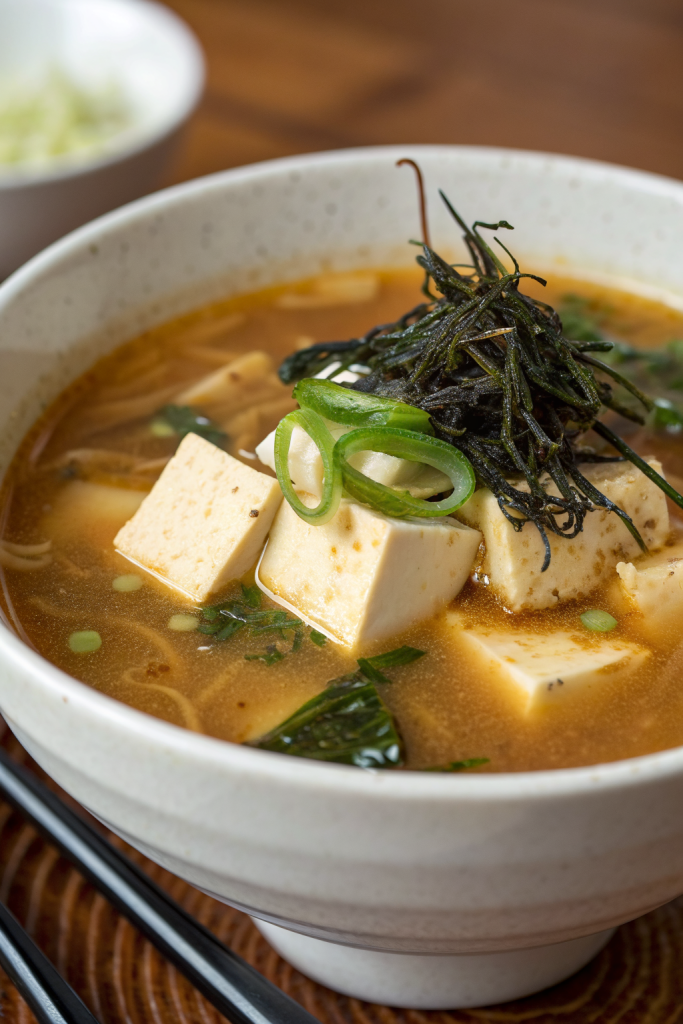
10 Japanese Recipe Ideas bring cozy umami, crunchy textures, and slurpy noodles to your kitchen, perfect for busy weeknights or lazy weekends in about 20 to 60 minutes each. These recipes work for beginners who want simple Japanese flavors and for seasoned home cooks who crave new twists on ramen, curry, and rice bowls. I first cooked miso soup in a tiny apartment with one dull knife, so if I can pull this off, you absolutely can too.
Why Make This 10 Japanese Recipe Ideas at Home
You control the salt, spice, and sweetness, which means you get restaurant-style Japanese food that actually fits your taste and dietary needs. You also save money, skip takeout lines, and use pantry shortcuts like miso paste, soy sauce, and frozen veggies in smart ways.
Cooking through these 10 Japanese Recipe Ideas also teaches you core techniques like making dashi, building umami with miso, and crisping katsu cutlets. Once you learn these, you can riff on endless noodle soups, rice bowls, and bento-style lunches.
These 10 Japanese Recipe Ideas taste like cozy takeout favorites with fresher flavor and way less cost, and I happily cooked them on repeat all week ★★★★★
Ingredients You Need
Here is a master list that covers all 10 Japanese Recipe Ideas:
Core pantry ingredients
- Soy sauce or tamari
- Use low sodium if you watch salt.
- Tamari works great for gluten free cooking.
- Mirin
- Adds gentle sweetness and shine to sauces.
- Rice vinegar
- Choose unseasoned so you control sugar and salt.
- Miso paste
- White miso: mild and slightly sweet, great for soups and dressings.
- Red miso: deeper and stronger, great for hearty stews and marinades.
- Dashi
- Use instant dashi granules as a shortcut.
- Or simmer kombu and bonito flakes if you want from-scratch flavor.
- Sesame oil
- Toasted sesame oil brings nutty aroma at the end of cooking.
- Neutral oil
- Use canola, vegetable, or grapeseed for frying and sautéing.
- Sugar and honey
- Balance salty sauces and glazes.
Fresh produce
- Onions (yellow or sweet)
- Green onions / scallions
- Garlic
- Fresh ginger
- Carrots
- Napa cabbage or green cabbage
- Mushrooms (shiitake or cremini)
- Potatoes (for curry)
- Sweet potatoes or kabocha squash (optional but tasty)
- Cucumbers (for quick pickles)
- Lettuce or shredded cabbage (for katsu and donburi toppings)
Proteins
Pick and choose based on the 10 Japanese Recipe Ideas you cook:
- Chicken thighs or breasts
- Thinly sliced beef (hot pot or stir fry cut)
- Pork loin or pork shoulder
- Firm tofu and extra firm tofu
- Eggs
- Shrimp (peeled and deveined)
- Salmon fillets or skin-on salmon pieces
Carbs and noodles
- Short grain Japanese rice
- Look for labels like “sushi rice” or “Calrose” in American stores.
- Udon noodles
- Frozen udon has the best chewy texture.
- Ramen noodles
- Use fresh or quality instant bricks without the flavor packet.
- Soba noodles
- Buckwheat noodles taste nutty and cook quickly.
- Panko breadcrumbs
- Essential for crispy katsu and baked coatings.
Flavor boosters and toppings
- Nori sheets or roasted seaweed snack strips
- Furikake seasoning
- Toasted sesame seeds
- Kewpie mayonnaise or regular mayo
- Tonkatsu sauce or thick Worcestershire-style sauce
- Japanese curry roux blocks
- Shichimi togarashi (Japanese chili seasoning)
- Pickled ginger
- Wasabi paste
Equipment list
You do not need fancy gear for these 10 Japanese Recipe Ideas:
- Large stock pot or Dutch oven
- Medium saucepan
- Large skillet or sauté pan
- Nonstick pan for eggs and delicate fish
- Fine mesh strainer
- Rice cooker or a pot with a tight lid
- Baking sheet and wire rack
- Tongs and a slotted spoon
- Sharp chef’s knife and cutting board
Tips & Mistakes
- Use short grain rice for the best donburi and sushi-style bowls, and rinse it until the water runs mostly clear to avoid gummy texture.
- Slice meat thinly against the grain so it cooks quickly and stays tender in stir fries and rice bowls.
- Taste broths and sauces before serving, and adjust with soy for salt, sugar or mirin for sweetness, and rice vinegar for brightness.
- Keep oil hot when you fry katsu or tempura; if it cools, the coating turns greasy instead of crisp.
- Pat tofu and proteins dry before searing or frying so they brown instead of steaming.
- Do not overcook noodles; pull them slightly firm, then finish them in hot broth or sauce.
- Store miso paste and dashi granules in the fridge and close them tightly so they keep flavor longer.
- Start with one or two recipes at a time; cooking all 10 Japanese Recipe Ideas in one night turns your kitchen into a noodle tornado.
How to Make 10 Japanese Recipe Ideas
Below you get a base method that you can adapt across these 10 Japanese Recipe Ideas: miso soup, chicken katsu, gyudon beef bowl, Japanese curry, teriyaki salmon, tofu stir fry, udon noodle soup, ramen-style noodle bowl, onigiri rice balls, and a simple tamagoyaki-style rolled egg.
Step 1: Sauté veggies and aromatics
Heat oil in a large stock pot or Dutch oven over medium heat. Once hot, add onions and carrots; cook until soft, about 8 minutes. Stir in garlic, ginger, harissa, coriander, and turmeric; cook 2 minutes, until aromatic. Season with salt.
Now adapt that base step to Japanese flavors:
- Swap harissa, coriander, and turmeric for miso, soy sauce, and a pinch of sugar for miso soup or noodle broth.
- Add curry roux blocks after the onions and carrots soften when you cook Japanese curry.
- Use sliced mushrooms and cabbage with garlic and ginger for udon or ramen broth.
Step 2: Build a simple dashi or broth
- Add water or prepared dashi to the pot with your sautéed veggies and aromatics.
- Bring the mixture to a gentle simmer, not a wild boil, so the broth stays clear and clean.
- Stir in soy sauce, mirin, and a spoon of miso paste off the heat so miso keeps its flavor.
- Taste and adjust seasoning until the broth tastes balanced and slightly salty.
Use this broth for:
- Miso soup with tofu and seaweed
- Udon noodle soup with mushrooms and green onions
- A lighter ramen-style bowl with veggies and soft boiled eggs
Step 3: Cook rice for bowls and onigiri
- Rinse short grain rice under cold water, swishing with your hand, until the water turns mostly clear.
- Drain well, then add rice and water to a rice cooker or pot using a 1 to 1.1 ratio by volume.
- Cook until tender, then let the rice rest covered for 10 minutes so the grains relax.
- Fluff gently with a rice paddle or fork and keep it warm for donburi bowls and onigiri.
Use this rice for:
- Gyudon beef bowls with sweet soy onions
- Chicken katsu curry over rice
- Onigiri stuffed with tuna mayo or salmon flakes
Step 4: Prep proteins three ways
Crispy chicken katsu
- Pound chicken cutlets to even thickness and season both sides with salt and pepper.
- Dredge in flour, dip in beaten egg, then coat in panko breadcrumbs.
- Shallow fry in hot oil until the coating turns golden and the chicken cooks through, then rest on a wire rack.
- Slice into strips and serve over rice with shredded cabbage and tonkatsu sauce.
Teriyaki salmon
- Pat salmon dry and season lightly with salt.
- Sear skin side down in a hot oiled skillet until the skin turns crisp.
- Flip, then pour in a quick teriyaki mix of soy sauce, mirin, sugar, and a splash of water.
- Simmer until the sauce thickens into a glaze and the salmon flakes easily.
Quick gyudon beef
- Slice onions thin and cook them in a skillet with a little oil until they soften.
- Add thinly sliced beef and cook until the color changes.
- Pour in a mix of dashi, soy sauce, mirin, and sugar, then simmer a few minutes until the beef turns tender and the sauce reduces slightly.
- Spoon beef and onions over hot rice and top with green onions.
Step 5: Tofu stir fry and noodle add ins
- Press firm tofu briefly, then cut it into cubes or slabs and pat dry.
- Sear tofu in a hot nonstick pan with a little oil until all sides turn golden.
- Add sliced veggies like carrots, cabbage, and mushrooms, and cook until crisp tender.
- Pour in a simple sauce of soy, mirin, a little sugar, and a splash of water, then simmer until it lightly coats everything.
Serve this tofu stir fry over rice or toss it with cooked soba or udon noodles.
Step 6: Cook noodles just right
- Boil water in a large pot and salt it lightly.
- Add ramen, udon, or soba noodles and cook according to package directions, but check a minute early.
- Taste a strand; it should feel firm but not chalky.
- Drain and rinse soba under cold water to stop cooking, but keep ramen and udon hot for broth.
Drop noodles into your prepared broth, then add toppings like eggs, tofu, or sliced katsu.
Step 7: Simple miso soup
- Heat dashi in a small pot until it steams gently.
- Add cubed tofu and sliced green onions, and simmer a couple of minutes.
- Turn off the heat, then whisk miso paste with a ladle of hot broth in a bowl until smooth.
- Stir the miso mixture back into the pot and serve right away with nori strips on top.
Step 8: Japanese curry
- Use the sautéed onion and carrot base from Step 1.
- Add potato chunks and optional sweet potato or squash, then stir.
- Pour in water or light broth, bring to a simmer, and cook until the veggies turn tender.
- Turn off the heat, stir in curry roux blocks until they melt, then simmer gently until the sauce thickens and coats a spoon.
Serve curry over rice with sliced chicken katsu on top for a classic comfort plate.
Step 9: Onigiri rice balls
- Cool cooked rice until it feels warm but not steaming hot.
- Wet your hands with water and rub a tiny bit of salt between your palms.
- Take a handful of rice, press a small amount of filling like tuna mayo or flaked salmon in the center, then shape into a triangle or round ball.
- Wrap a strip of nori around the outside and pack for lunch or snacks.
Step 10: Simple rolled egg (tamagoyaki style)
- Beat eggs with a pinch of sugar, a splash of dashi or water, and a little soy sauce.
- Heat a small nonstick pan with a thin layer of oil over medium low heat.
- Pour a thin layer of egg, let it set slightly, then roll it toward one side with chopsticks or a spatula.
- Add more egg, lift the roll so the new egg flows underneath, and repeat until you get a layered log, then slice into pieces.
Variations I've Tried
- Swap chicken for pork in katsu and slice it thinner for extra crunch and faster cooking.
- Use tofu or mushrooms instead of beef in gyudon sauce for a lighter rice bowl that still tastes rich.
- Add a spoon of peanut butter to the noodle broth for a creamy, nutty twist that still keeps Japanese flavors.
- Stir a bit of chili crisp or shichimi togarashi into miso soup or curry when you want gentle heat.
- Roll onigiri in furikake instead of using nori for a fun, colorful lunch box option.
How to Serve 10 Japanese Recipe Ideas
Serve 10 Japanese Recipe Ideas family style so everyone builds their own bowl with rice, noodles, proteins, and toppings. Set out sliced green onions, sesame seeds, nori strips, pickled ginger, and sauces like soy and tonkatsu so people customize each plate. Pair these dishes with hot green tea, iced barley tea, or sparkling water with citrus for a refreshing drink. Add a simple side like cucumber salad or quick pickled veggies to cut through the richness of curry, katsu, and teriyaki.
How to store
- Store cooked rice in an airtight container in the fridge for up to 3 days, and reheat it with a sprinkle of water covered in the microwave.
- Keep broths, miso soup, and curry in the fridge for 3 to 4 days, and reheat gently on the stove so they do not boil hard.
- Store cooked proteins like katsu, teriyaki salmon, and tofu in separate containers in the fridge for 3 days; reheat katsu in the oven or air fryer so it turns crisp again.
- Freeze curry, broths, and plain cooked rice for up to 2 months, and thaw overnight in the fridge before reheating.
- Eat onigiri the same day for best texture, or chill it up to 1 day and let it come to room temp before serving.