
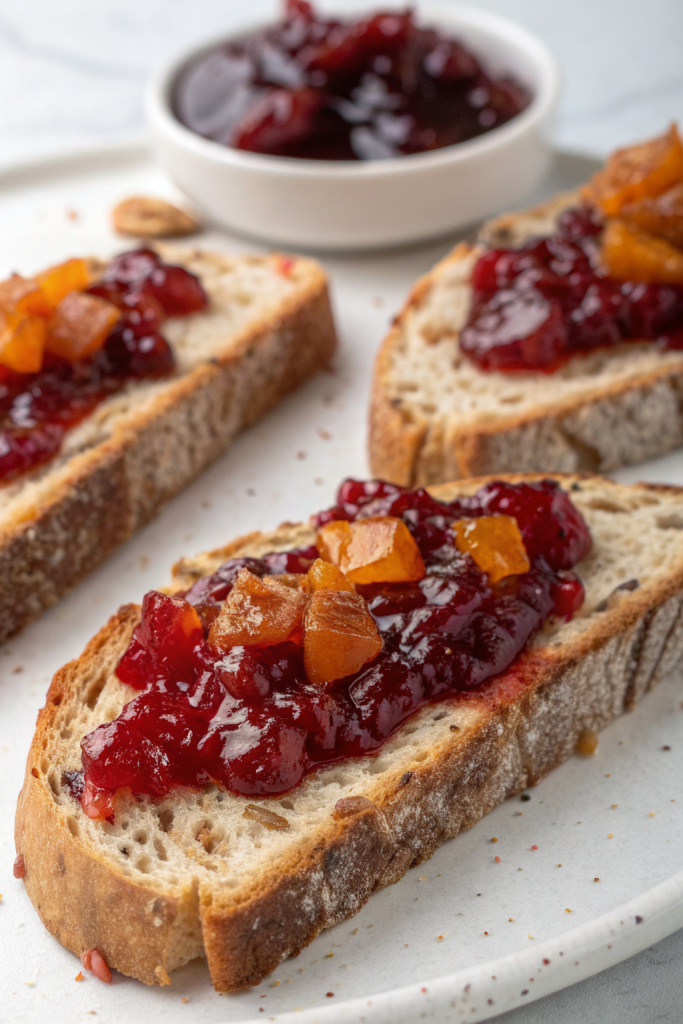
Cranberry Orange Marmalade Recipe hits that perfect sweet-tart balance, with bright citrus, jammy cranberries, and a hint of bitterness that keeps it from tasting like candy. It works for anyone who wants an easy holiday-style preserve in under an hour, without any canning drama or special skills. I tested this version on my own toast-obsessed family, and they now guard the jars like they guard the remote.
Why Cranberry Orange Marmalade Recipe Is Worth It
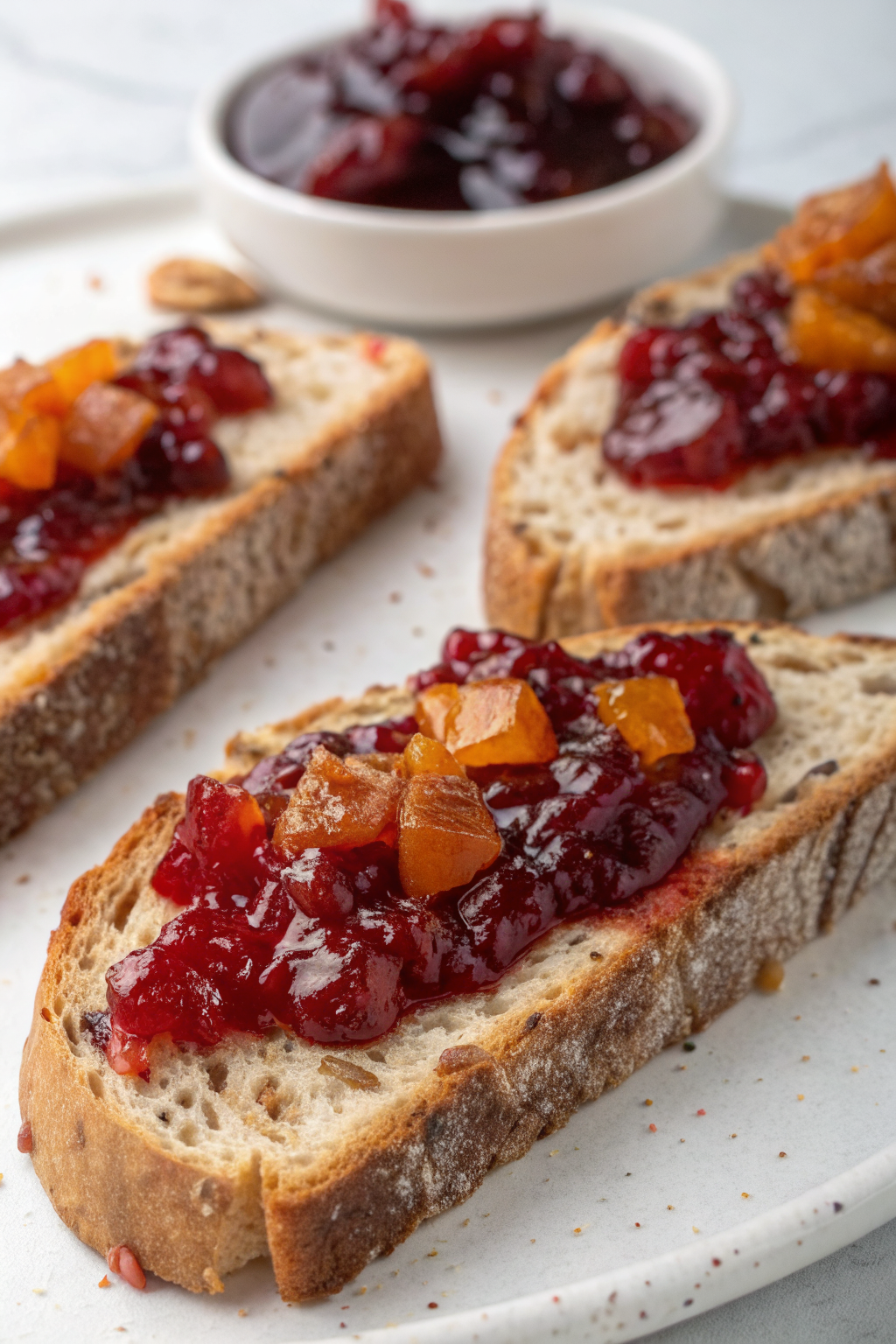
This marmalade tastes like cranberry sauce and orange marmalade had a very classy brunch together. You get ruby-red color, citrusy fragrance, and a thick, spoonable texture that clings to toast, yogurt, or a cheese board.
You cook everything in one pot, and the recipe uses basic pantry ingredients plus fresh oranges and cranberries. The batch size works well for gifting, but not so big that you need a bunker full of jars.
Bright, tangy, and not too sweet, this Cranberry Orange Marmalade Recipe turned my plain toast into a holiday-level breakfast every morning. ★★★★★
Ingredients You Need
Main ingredients
- Fresh cranberries – 12 ounces (about 3 cups), rinsed and picked over
- Oranges – 3 medium seedless navel or Cara Cara oranges
- Orange zest – from all 3 oranges (zest them before you juice them)
- Lemon – 1 large, zest and juice (adds brightness and helps the set)
- Granulated sugar – 2 to 2 ½ cups, to taste (I usually land at 2 ¼ cups)
- Water – 1 cup
- Salt – 1 small pinch, to sharpen the flavors
Optional flavor boosters
- Ground cinnamon – ¼ teaspoon, for a cozy note
- Ground ginger – ¼ teaspoon, or use 1 tablespoon finely grated fresh ginger
- Vanilla extract – ½ teaspoon, stirred in at the end
- Orange extract – a tiny splash if your oranges taste a bit bland
Ingredient notes & substitutions
- Cranberries: Use fresh when you can, but frozen cranberries work great; add them straight from the freezer and cook a few extra minutes.
- Oranges: Choose thin-skinned, sweet oranges; avoid very thick-skinned ones, which add too much bitterness. If you use blood oranges, you get a deeper color and slightly berry-like flavor.
- Sugar: Standard white sugar gives the cleanest flavor; I do not recommend brown sugar here because it muddies the color and flavor.
- Lemon: Bottled lemon juice works in a pinch, but fresh lemon gives brighter flavor and better aroma.
Pantry shortcuts & brand notes
- Pre-zested citrus: If you keep dried orange peel in your pantry, you can add 1–2 teaspoons along with fresh zest to boost citrus flavor.
- Pectin: This recipe relies on natural pectin from cranberries and citrus, so you do not need boxed pectin. If you want a firmer set, you can add 1–2 tablespoons of powdered pectin, but you must follow the package directions for timing.
- Sugar brands: Any standard granulated cane sugar works; avoid sugar blends with stevia or artificial sweeteners because they affect the set.
Equipment list
- Large, heavy-bottomed saucepan or Dutch oven (at least 4-quart capacity)
- Sharp knife and cutting board
- Microplane or fine grater for zest
- Citrus juicer (manual or electric)
- Wooden spoon or heatproof spatula
- Potato masher (optional, for breaking down cranberries)
- Candy thermometer or instant-read thermometer (helpful, not mandatory)
- Sterilized glass jars with lids (3–4 half-pint jars, depending on yield)
Quick Tips & substitutions
- Use seedless oranges to save time and avoid fishing seeds out of the pot.
- Slice the orange peel very thin so it softens quickly and does not taste chewy.
- Zest the oranges and lemon before you juice them; zesting cut citrus turns slippery and annoying fast.
- Taste your oranges; if they taste very sweet, use the lower end of the sugar range, and if they taste tart, move toward 2 ½ cups.
- Keep the heat at a steady simmer, not a wild boil, to avoid scorching the sugar.
- Stir often near the end of cooking because the marmalade thickens and sticks more easily.
- Use frozen cranberries if fresh ones look sad; they work just as well and often cost less.
- Swap lemon with lime for a slightly different citrus profile; it tastes great with ginger.
- Add a pinch of cinnamon or ginger for a holiday vibe, or keep it plain for everyday use.
- If the marmalade thickens too much, stir in a tablespoon or two of hot water to loosen it.
How to Make Cranberry Orange Marmalade Recipe
Step 1: Prep the citrus
Wash the oranges and lemon well, since the peel goes into the pot. Zest the oranges and lemon with a microplane and set the zest aside. Slice off the ends of each orange, then cut the peel away in wide strips, leaving as much white pith behind as you can. Slice the orange peel into very thin matchsticks.
Cut the peeled oranges into segments or small chunks, and catch all the juice in a bowl. Juice the lemon into the same bowl, straining out any seeds. You now have citrus zest, thin strips of peel, and a bowl of orange-lemon juice.
Step 2: Combine ingredients in the pot
Add the cranberries to your large saucepan or Dutch oven. Pour in the orange and lemon juice, then add the orange zest, lemon zest, and sliced orange peel. Add the water, sugar, and a small pinch of salt.
If you use spices such as cinnamon or ginger, add them now. Stir everything together and set the pot over medium heat. The mixture will look thin at this stage, but the cranberries and sugar will thicken it as they cook.
Step 3: Cook until cranberries burst
Bring the mixture to a gentle boil over medium heat, then reduce to a steady simmer. Stir occasionally as the cranberries heat up and start to pop. You will hear little pops and see the berries split and collapse.
Use a spoon or potato masher to crush some of the cranberries as they soften. This step helps the marmalade thicken and gives a smoother texture while still leaving some whole berries. Keep the mixture at a simmer, not a furious boil, to avoid scorching.
Step 4: Thicken the marmalade
Continue to simmer the mixture, stirring often, until it thickens and the peel softens, about 20–30 minutes. The bubbles will look thicker and slower as the mixture reduces. If you use a thermometer, aim for around 220°F, which usually signals a good jam-like set.
You can also test the set by placing a small spoonful on a cold plate and letting it sit for 1 minute. Push the edge with your finger; if it wrinkles slightly and holds a soft mound, it reached the right thickness. If it still runs like syrup, simmer a few more minutes and test again.
Step 5: Adjust flavor and finish
Taste the marmalade carefully (it stays very hot, so let a small spoonful cool first). Add a bit more sugar if you want it sweeter, or a squeeze of lemon juice if you want more brightness. Stir in vanilla or orange extract at this point if you use them.
Cook 1–2 more minutes after any final additions so everything blends. Turn off the heat and let the marmalade sit for about 5 minutes; this short rest helps the peel distribute evenly instead of floating to the top. Give it one last stir.
Step 6: Jar and cool
Ladle the hot marmalade into clean, warm jars, leaving about ¼ inch of headspace at the top. Wipe the rims with a damp cloth and screw on the lids. Let the jars cool at room temperature.
This method gives you refrigerator or freezer marmalade, not shelf-stable canned jars. Once cool, move the jars to the fridge. The marmalade will thicken a bit more as it chills.
Recipe Variations
- Extra citrusy: Add zest from an extra orange or lemon and a splash of orange extract.
- Ginger cranberry orange marmalade: Add 1–2 tablespoons finely grated fresh ginger and a pinch of ground cloves.
- Low-sugar version: Use 1 ½ cups sugar and add 1–2 tablespoons low-sugar pectin; follow the pectin package for timing.
- Vegan-friendly: The base recipe already counts as vegan; just avoid honey or gelatin-based thickeners.
- Refined sugar alternative: Swap part of the sugar with light honey or maple syrup (up to ½ cup), and cook a bit longer to reach a good set.
- Spiced holiday version: Add cinnamon, nutmeg, and a tiny pinch of allspice for a festive flavor.
- Chunky style: Mash the cranberries lightly and leave larger orange pieces for more texture.
- Smooth style: Blend the finished marmalade with an immersion blender for a smoother spread.
Ways to Serve Cranberry Orange Marmalade Recipe
- Spoon over warm toast, English muffins, or bagels.
- Swirl into Greek yogurt or cottage cheese for a quick breakfast.
- Use as a glaze for roasted chicken or turkey; brush it on during the last 10–15 minutes.
- Spread on biscuits, scones, or cornbread instead of plain butter.
- Pair with sharp cheddar or creamy goat cheese on a snack board.
- Stir into oatmeal or overnight oats for color and flavor.
- Use as a filling for thumbprint cookies or sandwich cookies.
- Spread inside grilled cheese with turkey or ham for a sweet-tart twist.
Storage Success
Let the marmalade cool to room temperature, then store it in tightly sealed glass jars in the refrigerator. It usually keeps well for 2–3 weeks, and the flavor deepens slightly after the first day. For longer storage, freeze it in freezer-safe containers, leaving some headspace for expansion, and keep it up to 3 months.
Thaw frozen marmalade overnight in the fridge, then stir it well before serving. If it thickens more than you like, loosen it with a teaspoon or two of warm water and stir again.
Cranberry Orange Marmalade Recipe
Ingredients
Instructions
- Wash the oranges and lemon thoroughly. Zest all the oranges and the lemon and set the zest aside.
- Slice off the ends of each orange, then cut away the peel in wide strips, leaving as much white pith behind as possible. Slice the orange peel into very thin matchsticks.
- Cut the peeled oranges into small chunks over a bowl to catch the juice. Add any accumulated juice to the bowl. Juice the lemon into the same bowl, straining out any seeds.
- Add the cranberries to a large, heavy-bottomed saucepan or Dutch oven. Pour in the orange and lemon juice, then add the orange zest, lemon zest, and sliced orange peel.
- Add the water, granulated sugar, and a pinch of salt. If using cinnamon or ginger, add them now. Stir to combine.
- Set the pan over medium heat and bring the mixture to a gentle boil, stirring occasionally.
- Reduce to a steady simmer. As the cranberries heat, they will pop and begin to break down. Use a spoon or potato masher to crush some of the berries for a thicker, jammy texture.
- Continue simmering, stirring often, until the mixture thickens and the orange peel is soft, about 20 to 30 minutes. The bubbles should look thick and slow as it reduces.
- To test for doneness, place a small spoonful of marmalade on a cold plate and let it sit for 1 minute. Push the edge with your finger; if it wrinkles slightly and holds a soft mound, it is ready. If it still runs like syrup, simmer a few more minutes and test again.
- Remove the pan from the heat. Let a small spoonful cool, then taste. Add more sugar if you prefer it sweeter or a little more lemon juice for extra brightness. Stir in vanilla or a splash of orange extract if using.
- Return the pan to low heat for 1 to 2 minutes after any final additions, then turn off the heat. Let the marmalade rest for about 5 minutes so the peel distributes evenly. Stir once more.
- Ladle the hot marmalade into clean, warm jars, leaving about 1/4 inch of headspace. Wipe the rims, apply the lids, and let the jars cool at room temperature.
- Once cooled, transfer the jars to the refrigerator. The marmalade will thicken further as it chills. Store in the fridge for up to 2 to 3 weeks, or freeze for longer storage.
Notes
Approximate per 2-tablespoon serving (about 24 servings per batch, using 2 1/4 cups sugar): 70 calories; fat 0 g; saturated fat 0 g; carbohydrates 18 g; fiber 1 g; sugars 16 g; protein 0 g; sodium 10 mg. Values will vary based on exact sugar amount, fruit sweetness, and portion size.
Leave a Reply