
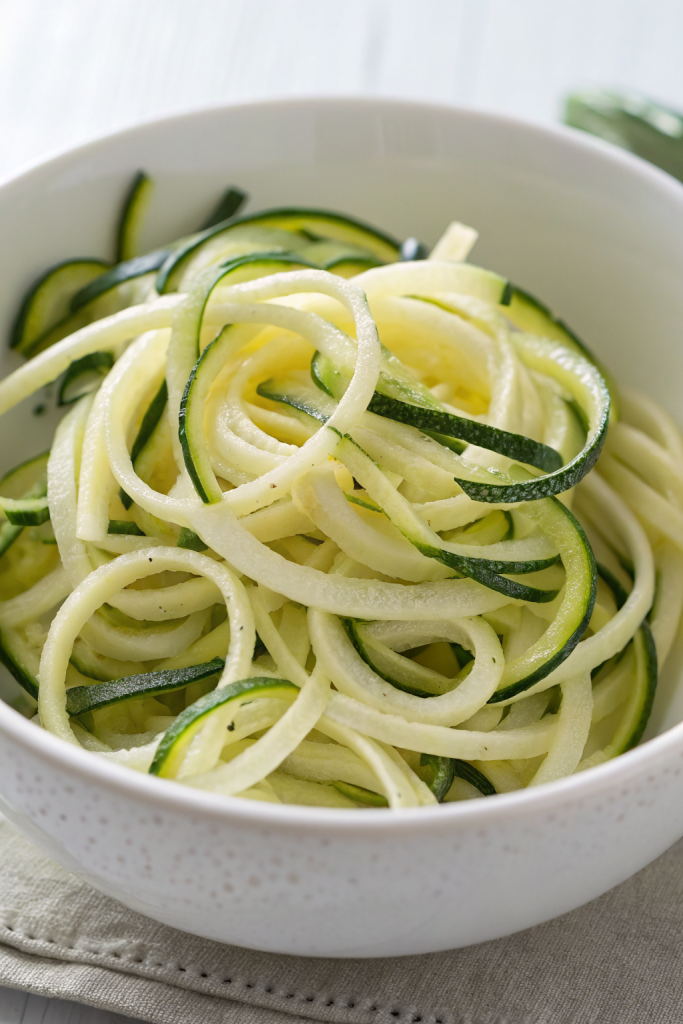
How to Make Zucchini Noodles tastes fresh, light, a little sweet from the zucchini, and so satisfying when you nail the texture. It works for anyone who wants a low carb, veggie-forward pasta swap that comes together in about 25 minutes start to finish. I first tested zucchini noodles in a tiny apartment kitchen with a dull peeler and a dream, so I promise you can pull this off with basic tools.
Why Make and Cook Zucchini Noodles at Home
Homemade zucchini noodles taste cleaner and fresher than store bought ones, and you control the texture so they stay tender but not mushy. You also skip extra additives, extra packaging, and you season them exactly how you like.
You can pair them with almost any sauce, from classic marinara to creamy peanut sauce. They cook fast, work for meal prep, and help you pack more vegetables into busy weeknights without feeling like you just ate a salad in disguise.
“These zucchini noodles turned out firm, saucy, and super flavorful, and I did not miss regular pasta at all. ★★★★★”
Ingredients You Need
Zucchini
- Medium zucchini, 4 to 5 pieces
- Aim for straight, firm zucchini with smooth skin.
- Medium size spirals more evenly than huge ones.
- Yellow squash also works and adds color.
Oil and fats
- Extra virgin olive oil, 1 to 2 tablespoons
- Use avocado oil if you prefer a neutral flavor.
- A tiny knob of butter at the end adds richness if you want a more indulgent bowl.
Aromatics and flavor base
You can keep it simple with just garlic, or build a full flavor base.
- Garlic, 2 to 3 cloves, minced or pressed
- Optional:
- Shallot or yellow onion, finely minced
- Crushed red pepper flakes for a little heat
- Lemon zest for brightness
- Fresh herbs like basil, parsley, or oregano
Sauce options
Pick one direction so the zucchini noodles stay saucy and flavorful.
- Classic tomato style
- Jarred marinara or tomato basil sauce
- I like Rao’s or a similar brand with simple ingredients and no added sugar.
- Add extra garlic and herbs to make it taste more homemade.
- Garlic and olive oil style
- Extra olive oil
- Garlic
- Red pepper flakes
- Fresh parsley and lemon juice
- Creamy style
- Plain Greek yogurt or light cream cheese
- Grated Parmesan or Pecorino
- A splash of pasta water or vegetable broth to thin
Seasonings
- Kosher salt or fine sea salt
- Freshly ground black pepper
- Italian seasoning or dried oregano and basil
- Optional: nutritional yeast for cheesy flavor without dairy
Toppings
- Fresh basil or parsley, chopped
- Grated Parmesan or a dairy free hard cheese alternative
- Toasted pine nuts, sliced almonds, or sunflower seeds for crunch
- Cherry tomatoes, halved, for color and sweetness
Equipment list
You do not need fancy gadgets, but they help.
- Spiralizer
- Handheld spiralizer: budget friendly, smaller noodles, great for 1 to 2 people.
- Countertop spiralizer: faster and more stable for big batches.
- Alternatives if you skip a spiralizer
- Julienne peeler: makes thin strips that mimic noodles.
- Regular vegetable peeler: makes wide ribbons that feel like pappardelle.
- Sharp chef’s knife: slice planks, then thin strips.
- Large skillet or sauté pan
- Nonstick or well seasoned stainless steel works best.
- Wide surface helps the noodles cook quickly and stay firm.
- Colander or large sieve
- Clean kitchen towel or paper towels
- Tongs for gentle tossing
Tips & Mistakes
- Salt the raw zucchini noodles lightly, then pat them dry so they stay firm and not watery.
- Cut extra long strands once or twice with kitchen scissors so you do not wrestle a 3 foot noodle at the table.
- Keep the heat at medium or medium high and cook zucchini noodles just 2 to 4 minutes so they stay crisp tender.
- Avoid covering the pan while they cook, since a lid traps steam and turns them soggy.
- Add sauce to the pan after the zucchini noodles soften slightly, not before, so the noodles do not stew in liquid.
- Taste and season at the end, since zucchini tastes mild and needs enough salt, acid, and fat.
- Dry sauce works better than very thin sauce, so simmer jarred sauce a few minutes to thicken before you add noodles.
- Do not overcrowd the pan; cook in two batches if needed so the noodles sauté instead of steam.
- Use fresh zucchini and skip soft or wrinkly ones, since older zucchini releases more water and turns mushy.
- Serve zucchini noodles right after cooking, because they keep releasing moisture as they sit.
How to Make and Cook Zucchini Noodles
Step 1: Prep and spiralize the zucchini
Rinse the zucchini and trim both ends. Attach each zucchini to your spiralizer and turn the handle to make long noodles, or use a julienne peeler to shave thin strips. If you use a regular peeler, run it down the length of the zucchini to make wide ribbons.
Pile the zucchini noodles in a colander. Sprinkle with a small pinch of salt and toss gently with your hands. Let them sit 10 to 15 minutes while you prep aromatics and sauce.
Step 2: Blot excess moisture
After the zucchini noodles rest, squeeze them gently over the sink to release some liquid. Spread them on a clean kitchen towel or a few layers of paper towels. Pat the top dry so they lose surface moisture.
Do not crush them into a pulp; treat them like cooked pasta that you want to keep intact. This step gives you firmer zucchini noodles that hold sauce better.
Step 3: Sauté veggies and aromatics
Heat olive oil in a large skillet over medium heat. Add minced onion or shallot if you use it and cook until it softens and turns translucent, about 4 to 5 minutes. Stir in garlic and red pepper flakes and cook 30 to 60 seconds, until the garlic smells fragrant.
If you go with a tomato style sauce, pour the marinara into the pan now and let it simmer 3 to 5 minutes to thicken slightly. Taste and season with salt, pepper, and dried herbs.
Step 4: Cook the zucchini noodles
Push the sauce to one side of the pan or transfer it to a bowl if you want more control. Add a small drizzle of oil to any bare spots in the skillet. Add the zucchini noodles in an even layer.
Toss gently with tongs over medium or medium high heat. Cook 2 to 4 minutes until the noodles turn bright green and just tender but still slightly firm in the center. Taste one strand; if it still crunches like raw zucchini, give it another 30 seconds.
Step 5: Combine with sauce
Add your warm sauce to the skillet with the zucchini noodles if you set it aside. Toss everything together so the noodles coat evenly. If the sauce looks too thick, splash in a tablespoon of water or broth at a time until it looks silky.
If you make a creamy sauce with yogurt or cream cheese, turn the heat to low, add the dairy, and stir until it melts into a smooth sauce. Keep the heat gentle so the sauce stays smooth and the zucchini noodles do not overcook.
Step 6: Finish and serve
Turn off the heat and add fresh herbs, a squeeze of lemon juice, and grated cheese if you use it. Toss again and taste one more time for salt and pepper. Plate the zucchini noodles right away so they keep their texture.
Top each bowl with extra herbs, more cheese, and crunchy nuts or seeds if you like. Serve hot and enjoy the fact that you just ate a giant bowl of vegetables that still felt like comfort food.
Variations I’ve Tried
Garlic butter zucchini noodles: I melt a mix of olive oil and butter, add lots of garlic and red pepper flakes, then toss in zucchini noodles and finish with parsley and Parmesan. It tastes like shrimp scampi without the shrimp, which sounds sad but tastes great.
Pesto zucchini noodles: I toss hot zucchini noodles with store bought or homemade basil pesto and a splash of pasta water or broth to loosen it. Cherry tomatoes and toasted pine nuts on top make it feel restaurant level.
Peanut sesame zucchini noodles: I whisk peanut butter, soy sauce or tamari, lime juice, a little honey, and grated ginger, then toss with just cooked zucchini noodles. I add shredded carrots, sliced cucumber, and crushed peanuts for a cold noodle salad vibe.
Creamy tomato zucchini noodles: I simmer marinara, then stir in a spoonful of Greek yogurt and Parmesan off the heat. The sauce turns creamy and tangy, and it clings to the zucchini noodles really well.
Breakfast zucchini noodles: I sauté zucchini noodles in olive oil with garlic, then top them with soft scrambled eggs and a sprinkle of cheese. It tastes like a lighter breakfast hash and uses up extra zucchini in the fridge.
How to Serve Zucchini Noodles
Serve zucchini noodles hot in warm bowls so they stay cozy and do not cool too fast. Pair them with simple proteins like grilled chicken, baked salmon, turkey meatballs, or crispy tofu for a full meal. Add a crunchy side salad or roasted vegetables if you want more volume without a heavy feel.
You can also serve zucchini noodles as a side dish next to burgers, roasted chicken, or pan seared fish. A tall glass of iced tea, sparkling water with lemon, or a fruit smoothie fits perfectly with this light, veggie packed plate.
How to store
- Fridge: Cool leftover zucchini noodles completely, then store them in an airtight container for up to 3 days.
- Freezer: Skip freezing cooked zucchini noodles, since they thaw watery and soft; freeze sauce separately and make fresh noodles instead.
- Reheat on stove: Warm a skillet over medium heat, add a splash of water or broth, then toss the zucchini noodles just until hot, about 2 to 3 minutes.
- Reheat in microwave: Place noodles in a microwave safe bowl, cover loosely, and heat in 30 second bursts, tossing between each, until warm but not steaming like crazy.
- Meal prep tip: Store sauce and raw, spiralized zucchini in separate containers, then cook and combine them right before you eat for the best texture.
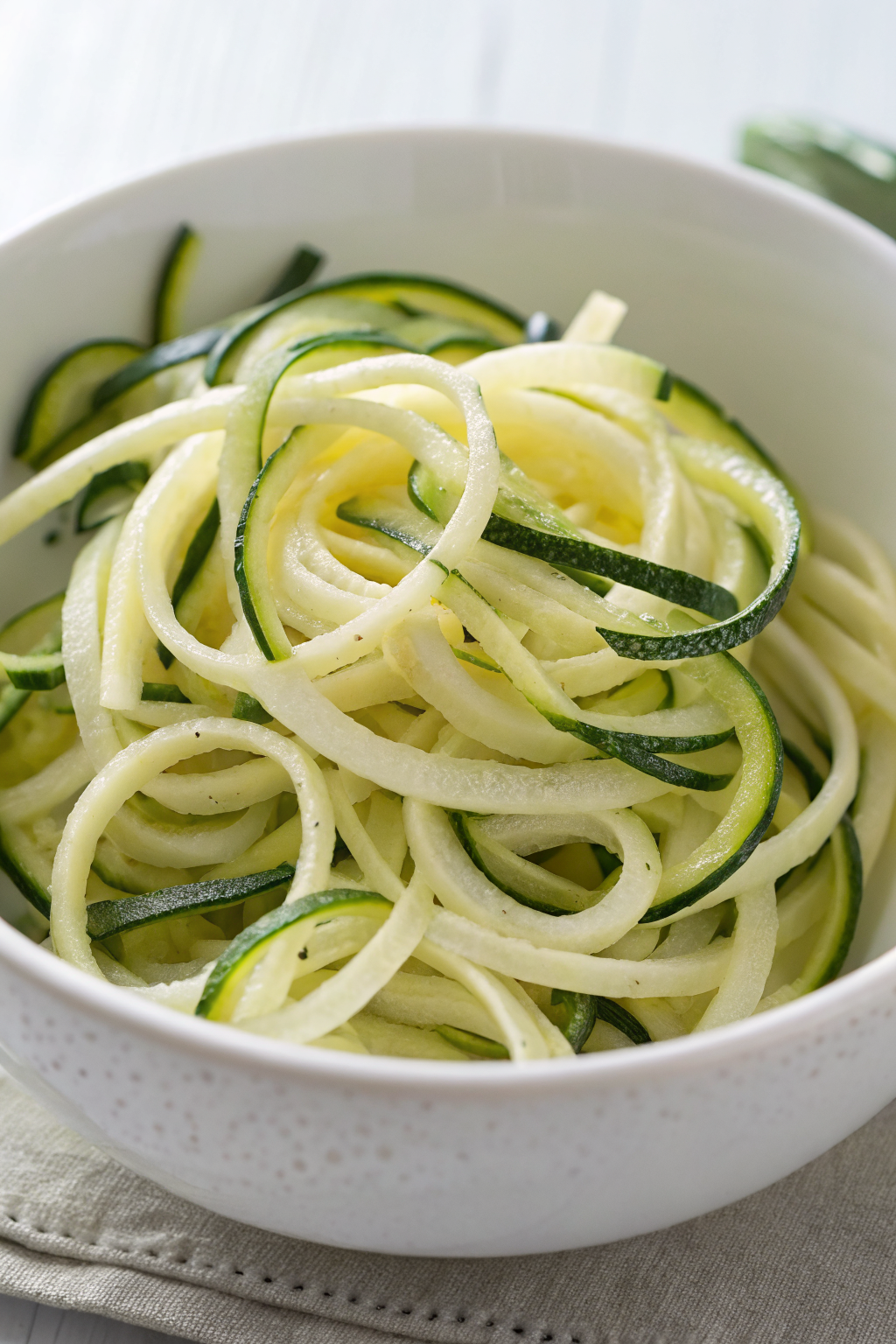
How to Make and Cook Zucchini Noodles
Ingredients
Instructions
- Rinse the zucchini and trim both ends. Use a spiralizer to make long noodles, or use a julienne peeler for thin strips, or a regular vegetable peeler for wide ribbons.
- Place the zucchini noodles in a colander, sprinkle lightly with salt, and toss gently. Let them sit for 10–15 minutes to draw out excess moisture.
- After resting, gently squeeze the zucchini noodles over the sink to release some liquid. Spread them on a clean kitchen towel or paper towels and pat dry on top without crushing them.
- Heat 1–2 tablespoons olive oil in a large skillet over medium heat. Add the minced shallot or onion, if using, and cook until softened and translucent, about 4–5 minutes.
- Stir in the garlic and red pepper flakes and cook for 30–60 seconds, just until fragrant.
- For a tomato-style sauce, pour in the marinara and let it simmer for 3–5 minutes to thicken slightly. Season with salt, pepper, and dried herbs to taste.
- Push the sauce to one side of the skillet or transfer it to a bowl. Add a small drizzle of oil to any bare spots in the pan.
- Add the zucchini noodles in an even layer. Toss gently with tongs over medium to medium-high heat and cook for 2–4 minutes until bright green and just tender but still slightly firm in the center. Taste a strand and cook in 30-second bursts if it still tastes raw.
- Add the warm sauce back to the skillet with the zucchini noodles, if you set it aside, and toss until the noodles are evenly coated. If the sauce seems too thick, add broth or water a tablespoon at a time until silky.
- For a creamy style, reduce the heat to low, stir in Greek yogurt or cream cheese and Parmesan until smooth, and avoid overheating so the sauce stays creamy and the noodles do not overcook.
- Remove from the heat and finish with fresh herbs, a squeeze of lemon juice, and additional cheese if desired. Taste and adjust salt and pepper.
- Serve the zucchini noodles immediately in warm bowls. Top with extra herbs, cheese, and nuts or seeds, and add cherry tomatoes if you like.
Notes
Approximate per serving (1 of 4, basic zucchini noodles cooked in olive oil with aromatics, no heavy toppings): 90–120 calories; fat 6–8 g; saturated fat 1–1.5 g; carbohydrates 7–10 g; fiber 2–3 g; sugars 5–7 g; protein 2–4 g; sodium 150–250 mg, depending on added salt and sauce. Adding cheese, nuts, or creamy sauce will increase calories, fat, and sodium. Values are estimates and will vary based on brands, portion sizes, and sauce choice.
Leave a Reply