
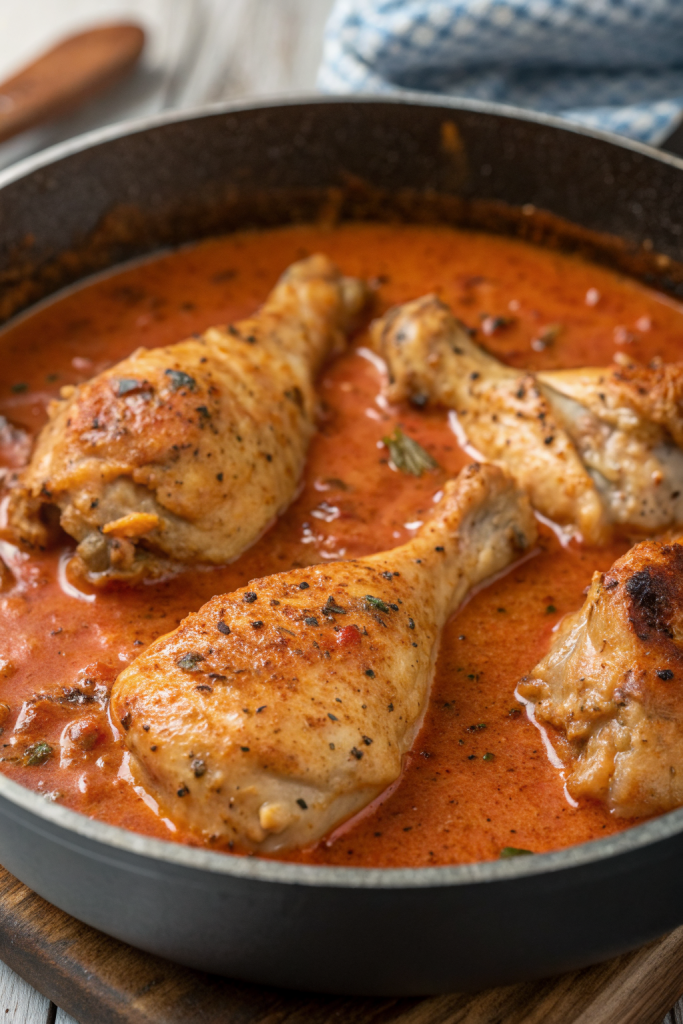
Hungarian Chicken Paprikash Recipe tastes rich, creamy, smoky, and a little sweet from good paprika, and it fits anyone who craves cozy comfort food that still feels special on a weeknight. It usually takes about 55 to 65 minutes from chopping board to table, so you can cook it on a busy evening without turning it into a weekend project. I grew up in a house that measured garlic with the heart, not the spoon, and this dish fits that exact energy.
Why Make This Hungarian Chicken Paprikash Recipe at Home
Homemade Hungarian Chicken Paprikash tastes far better than anything you find in a jar or a frozen tray. You control the paprika quality, the richness of the sour cream, and the tenderness of the chicken, so every bite hits that perfect cozy, saucy note.
You also stretch a pack of chicken into a full meal that feeds a family or gives you leftovers for a couple of days. The recipe uses simple pantry ingredients, so you skip any fancy shopping trip and still get a classic Hungarian comfort dish on the table.
“This Hungarian Chicken Paprikash Recipe tastes like a hug in a bowl, with silky sauce and fall-apart chicken that had my whole family licking their plates clean. ★★★★★”
Ingredients You Need
Chicken
- 2 to 2.5 pounds bone-in, skin-on chicken thighs
- Thighs stay juicy and handle simmering very well.
- You can use drumsticks or a mix of thighs and drumsticks.
- If you use boneless skinless thighs, reduce simmer time slightly and watch so they do not dry out.
Vegetables and Aromatics
- 2 tablespoons neutral oil (sunflower, canola, or light olive oil)
- 1 tablespoon unsalted butter
- 2 large yellow onions, finely sliced or diced
- 3 cloves garlic, minced
- 1 medium red bell pepper, thinly sliced (optional but tasty and colorful)
- 1 small tomato, grated or finely chopped
- You can use 2 tablespoons canned crushed tomatoes if you prefer a shortcut.
Paprika and Seasoning
- 3 tablespoons sweet Hungarian paprika
- Use real Hungarian paprika if possible; it tastes sweeter and more vibrant than generic paprika.
- I like brands such as Pride of Szeged or Kalocsa style.
- 1 teaspoon smoked paprika (optional, for a gentle smoky note)
- 1 teaspoon kosher salt, plus more to taste
- 1 teaspoon ground black pepper
- 1 teaspoon caraway seeds, lightly crushed (traditional and very flavorful, but optional)
- 1 bay leaf
Liquid and Creamy Finish
- 2 cups low sodium chicken broth
- You can use homemade broth or a good quality boxed broth.
- 1 cup full fat sour cream
- Full fat sour cream gives the sauce a silky texture and prevents curdling more easily than light versions.
- 2 tablespoons all purpose flour
- This helps thicken the sauce into that classic velvety texture.
To Serve
- Cooked egg noodles, spaetzle, or buttered wide noodles
- Or cooked rice, mashed potatoes, or boiled potatoes
- Fresh parsley, chopped, for garnish
Equipment List
- Large heavy skillet or wide Dutch oven with lid
- Cutting board and sharp knife
- Wooden spoon or heat safe spatula
- Small bowl for sour cream mixture
- Measuring cups and spoons
- Tongs for turning chicken
Tips & Mistakes
- Brown the chicken well on both sides to build deep flavor in the sauce.
- Avoid rushing the onion step; cook onions low and slow until soft and lightly golden, not just translucent.
- Keep paprika away from very high direct heat; add it after you soften onions, then stir quickly with some liquid so it does not burn and taste bitter.
- Use real Hungarian sweet paprika for the best flavor; generic paprika often tastes flat and dusty.
- Temper the sour cream with hot sauce from the pan before you add it, so it stays smooth and does not curdle.
- Simmer gently, not at a hard boil, so the chicken stays tender and the sauce stays creamy.
- Salt in layers; season the chicken, then taste and adjust the sauce at the end.
- Skim extra fat from the top if the sauce tastes greasy, especially if you use very fatty chicken pieces.
- Do not overcrowd the pan when you brown chicken; work in batches so the skin actually browns instead of steams.
- Use bone-in chicken whenever possible; it adds richer flavor to the sauce than boneless pieces.
How to Make Hungarian Chicken Paprikash Recipe
Step 1: Season and Brown the Chicken
Pat the chicken thighs dry with paper towels so they brown nicely. Season both sides with salt and pepper. Heat the oil and butter in a large skillet or Dutch oven over medium high heat until the butter foams.
Place the chicken pieces skin side down in a single layer. Brown them for about 5 to 7 minutes per side until the skin turns deep golden. Move browned chicken to a plate and keep it nearby.
Step 2: Cook the Onions and Vegetables
Lower the heat to medium. Add the sliced onions to the same pan, along with a pinch of salt. Stir and scrape up the browned bits from the bottom of the pan; those bits carry a lot of flavor.
Cook the onions for 10 to 12 minutes until they turn soft and lightly golden. Add the red bell pepper slices and cook 3 to 4 minutes more until they soften. Stir in the garlic and cook about 30 seconds until it smells fragrant.
Step 3: Add Paprika and Seasonings
Turn the heat down to medium low. Sprinkle in the sweet Hungarian paprika, optional smoked paprika, and crushed caraway seeds. Stir constantly for about 30 seconds so the spices bloom in the hot fat.
Add the grated or chopped tomato and stir again. The mixture should look thick and brick red. If it looks too dry, splash in 2 to 3 tablespoons of broth and stir so the paprika does not scorch.
Step 4: Build the Sauce and Simmer the Chicken
Pour in the chicken broth and add the bay leaf. Stir well and taste the liquid; add a little salt if it tastes bland. Nestle the browned chicken pieces back into the pan, skin side up, along with any juices from the plate.
Bring the liquid to a gentle simmer. Cover the pan and cook on low heat for about 30 minutes, until the chicken turns very tender and the juices run clear when you pierce near the bone. Stir the sauce around the chicken once or twice as it cooks so nothing sticks.
Step 5: Mix Sour Cream and Flour
While the chicken simmers, add the sour cream and flour to a small bowl. Whisk until the mixture turns completely smooth with no lumps. This mixture will thicken the sauce and add that classic creamy tang.
Scoop about 1 cup of the hot cooking liquid from the pan into a measuring cup. Slowly whisk that hot liquid into the sour cream mixture until it looks thin and silky. This step gently warms the sour cream so it blends into the sauce without curdling.
Step 6: Finish the Sauce
Lift the chicken pieces out of the pan and place them on a clean plate. Turn the heat to low so the sauce barely simmers. Slowly pour the warm sour cream mixture into the pan while you stir constantly.
Stir until the sauce turns smooth and creamy, with a rich orange color. Return the chicken pieces to the pan and spoon sauce over the top. Let everything heat together for 3 to 5 minutes on low so the flavors settle and the sauce thickens slightly.
Step 7: Taste and Adjust
Taste the sauce and adjust with more salt and pepper if needed. If the sauce tastes too thick, add a splash of broth or water and stir until you like the consistency. If it tastes too thin, let it simmer on low for a few more minutes with the lid off.
Turn off the heat and sprinkle chopped parsley over the top. The dish should look glossy, with tender chicken nestled in a creamy paprika sauce that clings to a spoon.
Variations I've Tried
I sometimes swap part of the sweet paprika with hot Hungarian paprika for a gentle kick; start with 1 teaspoon hot paprika and adjust to your heat comfort. You can also use all boneless skinless chicken thighs if you want easier eating; just shorten the simmer time by about 5 to 8 minutes and keep an eye on tenderness.
I tried a lighter version with Greek yogurt instead of sour cream; it works, but you need full fat yogurt and very gentle heat to avoid curdling, and the flavor tastes a bit more tangy. I also tested a veggie heavy version with extra bell peppers and some sliced mushrooms; it tasted hearty and worked well when I wanted to stretch the sauce over more noodles.
How to Serve Hungarian Chicken Paprikash Recipe
Serve Hungarian Chicken Paprikash over a big pile of buttered egg noodles, spaetzle, or fluffy mashed potatoes so the sauce has something to soak into. I like to spoon extra sauce over the starch and then top with the chicken so every bite tastes saucy. Add a simple side salad, steamed green beans, or roasted carrots to keep the plate balanced and colorful.
Finish with a sprinkle of fresh parsley or chives for a little brightness on top. If you pack leftovers for lunch, tuck some noodles or rice in the container and spoon the paprikash over it so you get a full meal in one bowl.
How to store
- Cool leftovers to room temperature within 1 hour, then move them to airtight containers.
- Store in the fridge for up to 3 to 4 days; the flavors deepen and taste even better on day two.
- Freeze in freezer safe containers for up to 2 months; label with the date so you keep track.
- Reheat gently on the stove over low heat, with a splash of broth or water to loosen the sauce, and stir often so the sour cream stays smooth.
- You can also reheat in the microwave at medium power in short bursts, stirring between each round until hot.
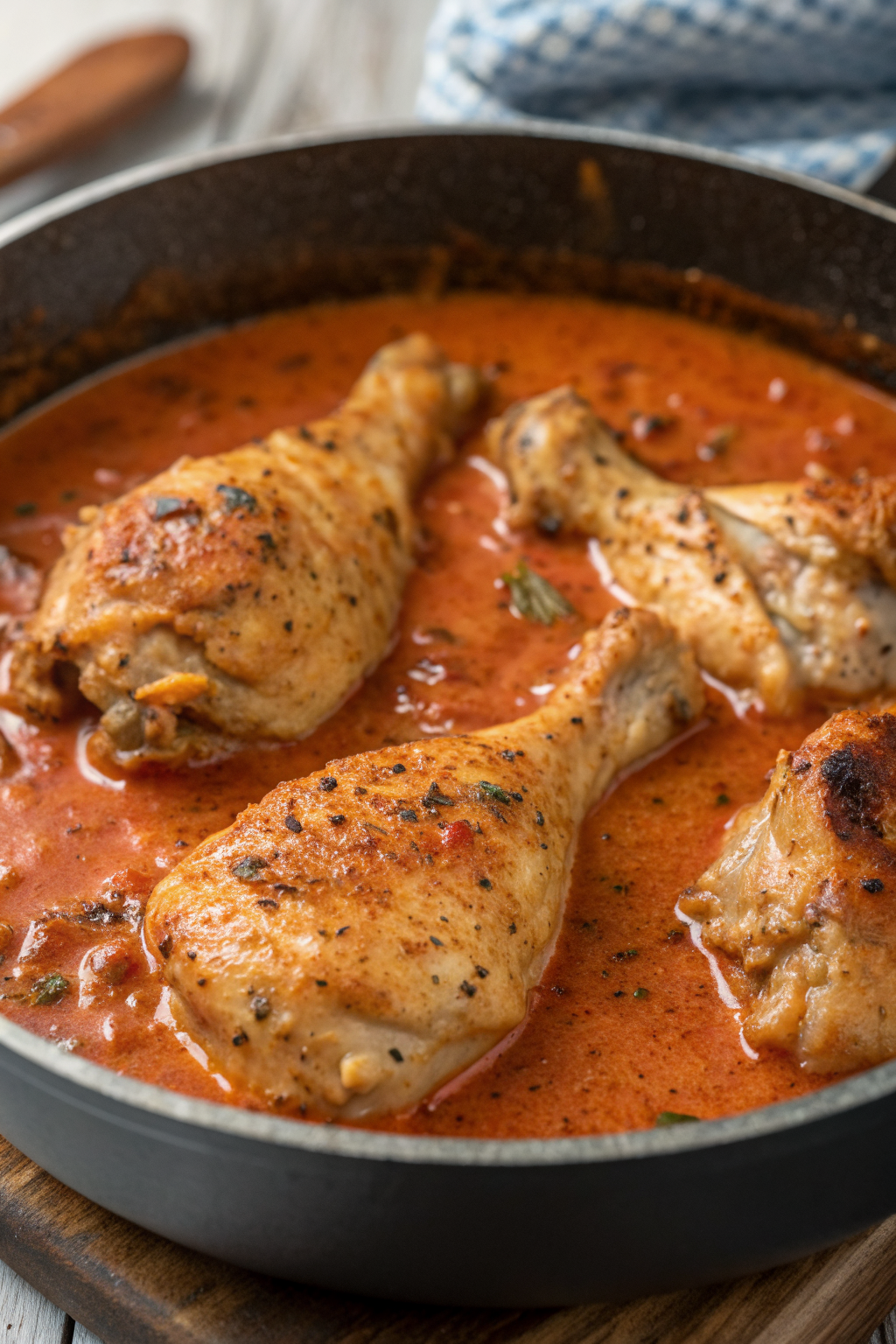
Hungarian Chicken Paprikash Recipe
Ingredients
Instructions
- Pat the chicken thighs dry with paper towels and season both sides with salt and pepper.
- Heat the neutral oil and butter in a large skillet or Dutch oven over medium-high heat until the butter foams.
- Place the chicken pieces skin-side down in a single layer and brown for about 5 to 7 minutes per side, until the skin is deep golden. Transfer the browned chicken to a plate and set aside.
- Reduce heat to medium and add the sliced onions to the same pan with a pinch of salt, scraping up browned bits from the bottom.
- Cook the onions for 10 to 12 minutes, stirring occasionally, until soft and lightly golden.
- Add the red bell pepper slices and cook for 3 to 4 minutes until they soften.
- Stir in the minced garlic and cook for about 30 seconds until fragrant.
- Lower the heat to medium-low. Sprinkle in the sweet Hungarian paprika, smoked paprika (if using), and crushed caraway seeds (if using). Stir constantly for about 30 seconds to bloom the spices.
- Add the grated or finely chopped tomato and stir. If the mixture looks too dry, add 2 to 3 tablespoons of chicken broth and stir so the paprika does not scorch.
- Pour in the chicken broth and add the bay leaf. Stir well and taste the liquid, adding a little salt if it tastes bland.
- Nestle the browned chicken pieces back into the pan, skin-side up, along with any accumulated juices.
- Bring to a gentle simmer, cover, and cook on low heat for about 30 minutes, until the chicken is very tender and the juices run clear near the bone. Stir the sauce around the chicken once or twice as it cooks.
- In a small bowl, whisk together the sour cream and flour until completely smooth with no lumps.
- Ladle about 1 cup of the hot cooking liquid from the pan into a measuring cup. Slowly whisk this hot liquid into the sour cream mixture until thin and silky to temper it.
- Remove the chicken pieces from the pan to a clean plate. Reduce the heat to low so the sauce is just barely simmering.
- Slowly pour the warm sour cream mixture into the pan while stirring constantly until the sauce becomes smooth, creamy, and orange in color.
- Return the chicken pieces to the pan and spoon sauce over them. Let everything heat together for 3 to 5 minutes on low so the flavors meld and the sauce slightly thickens.
- Taste the sauce and adjust with additional salt and pepper if needed. If the sauce is too thick, add a splash of broth or water; if too thin, simmer gently with the lid off for a few minutes.
- Turn off the heat and sprinkle with chopped parsley.
- Serve the chicken paprikash over egg noodles, spaetzle, rice, mashed potatoes, or boiled potatoes, spooning plenty of sauce over each portion.
Notes
Approximate per serving (6 servings, without noodles/potatoes): 430 calories; fat 30 g; saturated fat 11 g; carbohydrates 11 g; fiber 2 g; sugars 4 g; protein 30 g; sodium 520 mg. Values are estimates and will vary based on exact ingredients, brands, and portion sizes.
Leave a Reply