
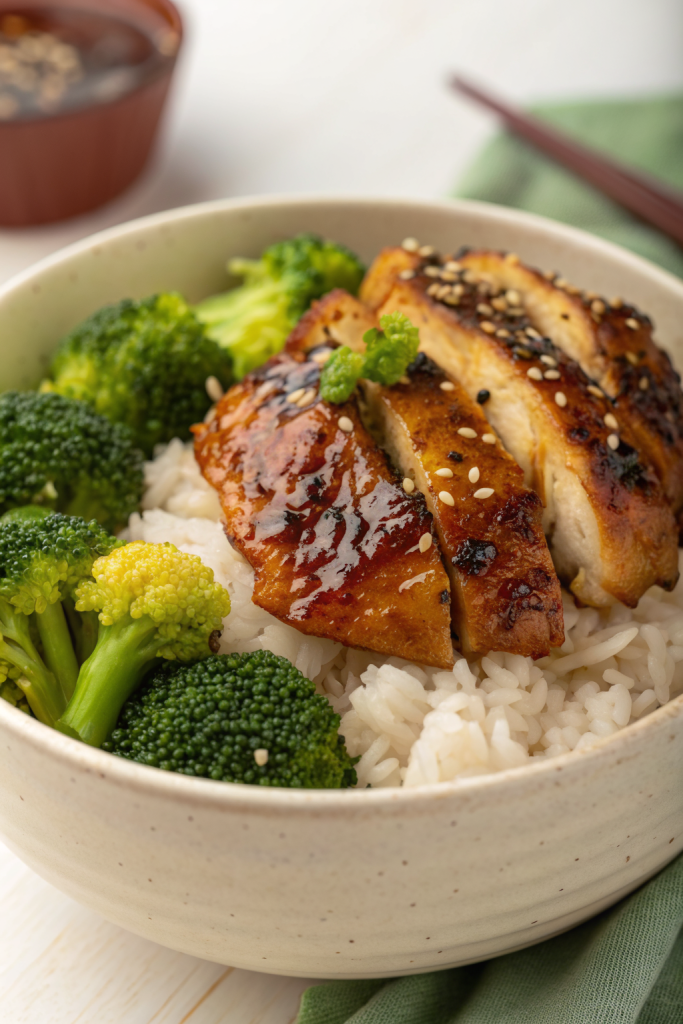
Pan Fried Korean Soy Garlic Chicken Thighs Recipe hits that perfect sweet, salty, and garlicky spot with crispy edges and juicy meat in under 40 minutes, start to finish. It suits busy weeknights, meal prep fans, and anyone who loves bold Korean flavors without deep frying or takeout. I tested this on a Tuesday after a long day, and my family stopped talking mid-bite, which counts as the highest compliment in my house.
Why You Should Try This Pan Fried Korean Soy Garlic Chicken Thighs Recipe
Boneless chicken thighs stay juicy and tender, while the soy garlic glaze caramelizes into a sticky, glossy coating that clings to every bite. You get restaurant-style Korean flavor with basic pantry ingredients, a single skillet, and no deep fryer.
This recipe works for meal prep, quick dinners, or casual entertaining. You can adjust the heat level easily, so spice lovers and mild-food fans both stay happy at the same table.
“This Pan Fried Korean Soy Garlic Chicken Thighs Recipe tastes like my favorite Korean takeout, but cleaner, cheaper, and faster to get on the table. ★★★★★”
Ingredients You’ll Need
Chicken
- 2 pounds boneless skinless chicken thighs
- 1 teaspoon kosher salt
- ½ teaspoon black pepper
- 1 tablespoon cornstarch (helps crisp the surface)
- 1 tablespoon neutral oil (avocado, canola, or grapeseed work best)
I prefer boneless thighs because they cook evenly and stay juicy. You can use bone-in thighs, but you need to increase the cook time and keep the heat a bit lower so the glaze does not burn.
Soy Garlic Marinade & Glaze
- ¼ cup low sodium soy sauce
- Use low sodium to avoid an overly salty sauce, especially if you use a cast iron skillet.
- 2 tablespoons honey
- You can swap with brown sugar or maple syrup in a pinch.
- 1 tablespoon dark brown sugar
- This deepens the caramel flavor and helps the glaze thicken.
- 1 tablespoon rice vinegar
- Plain white vinegar works if needed, but rice vinegar tastes smoother.
- 1 tablespoon mirin (optional but tasty)
- Adds a gentle sweetness and shine; skip if you do not keep it on hand.
- 4 to 5 cloves garlic, very finely minced or grated
- 1 teaspoon fresh ginger, grated (or ½ teaspoon ground ginger)
- 1 to 2 teaspoons gochujang (Korean chili paste), to taste
- Gochujang brands vary; I like Chung Jung One or CJ Haechandle for balanced heat.
- 1 teaspoon toasted sesame oil
- ¼ teaspoon black pepper
This marinade doubles as the glaze, which keeps things simple. You just reserve some for basting and finishing.
Garnishes
- 1 to 2 teaspoons toasted sesame seeds
- 2 green onions, thinly sliced
- Optional: a small drizzle of extra honey on top if you like a sweeter finish
Pantry Shortcuts & Substitutions
- No gochujang: Use ½ teaspoon red pepper flakes plus ½ teaspoon extra honey.
- No rice vinegar: Use apple cider vinegar.
- Gluten free: Swap soy sauce with tamari or coconut aminos and reduce the sugar slightly since coconut aminos taste sweeter.
- Lower sugar: Reduce honey and brown sugar by half and cook the glaze a bit longer to thicken.
Equipment List
- Large nonstick or cast iron skillet
- Small mixing bowl
- Whisk or fork
- Tongs
- Cutting board and sharp knife
- Small spoon or brush for basting
- Instant-read thermometer (helps avoid overcooking)
Tips & Tricks
- Pat the chicken thighs very dry before seasoning so they brown instead of steam.
- Cut extra-thick thighs in half so all pieces cook at the same rate.
- Mix the marinade in a small bowl and taste it before adding to the chicken; adjust sweetness or heat right away.
- Reserve 2 to 3 tablespoons of marinade in a separate bowl for basting so raw chicken never touches it.
- Use medium heat, not high, so the soy garlic glaze caramelizes instead of burning.
- Do not crowd the pan; cook in two batches if needed so the thighs sear properly.
- Flip the chicken only once or twice to build a nice crust.
- Let the cooked chicken rest for 5 minutes before slicing so the juices stay inside.
- If the glaze looks too thin, simmer it for a minute or two in the skillet until it thickens and coats a spoon.
- If the glaze tastes too salty, stir in a teaspoon of honey and a splash of water, then simmer briefly.
How to Make Pan Fried Korean Soy Garlic Chicken Thighs Recipe
Step 1: Prep the Chicken
Lay the chicken thighs on a cutting board and trim any large pieces of fat. Pat each thigh very dry with paper towels. Season both sides with salt and black pepper, then sprinkle on the cornstarch and rub it in so it coats the surface lightly.
Step 2: Mix the Soy Garlic Marinade
In a small bowl, whisk together soy sauce, honey, dark brown sugar, rice vinegar, mirin, garlic, ginger, gochujang, sesame oil, and black pepper. Taste a tiny bit and adjust sweetness or heat to your preference. Scoop out 2 to 3 tablespoons of this mixture into a separate small bowl and set it aside for basting and finishing.
Step 3: Marinate the Chicken
Place the seasoned chicken thighs in a shallow dish or zip-top bag. Pour the remaining marinade over the chicken and toss to coat every piece. Let the chicken sit for at least 15 minutes at room temperature or up to 4 hours in the fridge.
Step 4: Preheat the Skillet
Set a large skillet over medium heat and add the neutral oil. Swirl the oil so it coats the bottom of the pan. When the oil shimmers and a tiny drop of marinade sizzles on contact, the pan feels hot enough.
Step 5: Sear the Chicken
Lift the chicken from the marinade and let the excess drip off so the pan does not flood with liquid. Lay the thighs flat in the skillet in a single layer, smooth side down. Cook without moving them for 4 to 5 minutes until the bottom turns deep golden brown.
Step 6: Flip and Cook Through
Flip each thigh with tongs and reduce the heat slightly if the pan looks too hot. Cook another 4 to 6 minutes, depending on thickness, until the chicken reaches 165°F in the thickest part. Spoon a little of the reserved clean marinade over the top during the last 2 minutes to build a sticky glaze.
Step 7: Thicken the Glaze
Transfer the cooked chicken to a plate and let it rest. Pour any juices from the plate back into the skillet along with the rest of the reserved marinade. Simmer over medium heat for 1 to 2 minutes until the sauce thickens and coats the back of a spoon.
Step 8: Coat and Garnish
Return the chicken to the skillet and turn each piece in the thickened soy garlic sauce so it gets glossy and fully coated. Sprinkle on toasted sesame seeds and sliced green onions. Taste a small piece and add a tiny drizzle of honey or a pinch of red pepper flakes if you want more sweetness or heat.
Step 9: Serve
Slice the chicken thighs or serve them whole. Spoon extra sauce from the pan over the top. Serve hot with your favorite sides.
What to Serve with Pan Fried Korean Soy Garlic Chicken Thighs Recipe
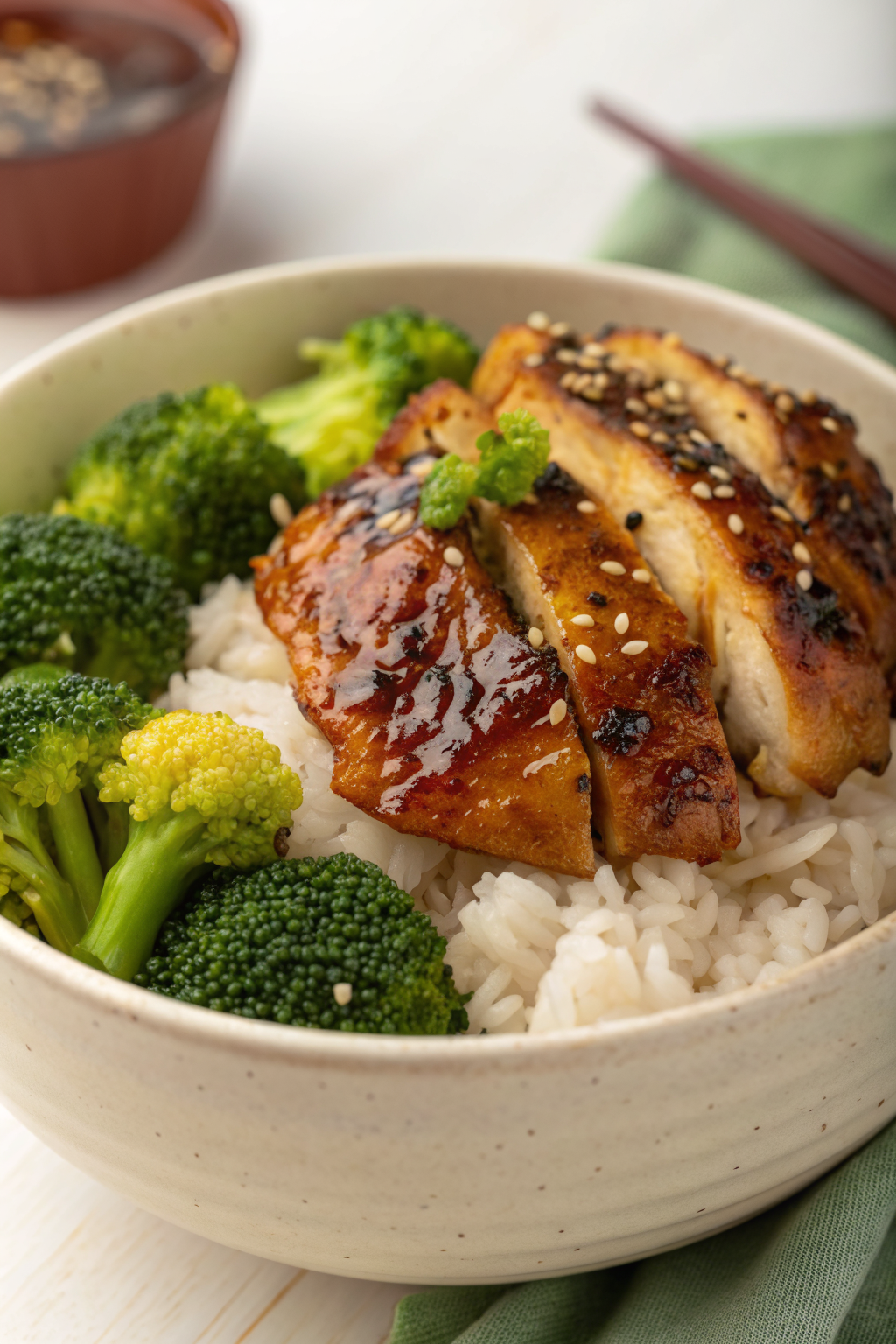
Serve these soy garlic chicken thighs over steamed jasmine rice, short grain rice, or cauliflower rice if you want a lighter option. Add a side of quick cucumber salad, kimchi, or simple sautéed broccoli to cut through the richness. Kids often love this with plain rice and sliced cucumbers, while adults might enjoy it with a spicy gochujang mayo on the side. A cold sparkling water or iced green tea pairs nicely with the bold flavors.
Storage Options
- Store leftover Pan Fried Korean Soy Garlic Chicken Thighs in an airtight container in the fridge for up to 4 days.
- Freeze cooled chicken thighs in a freezer-safe bag or container for up to 2 months, with as much air pressed out as possible.
- Reheat gently in a skillet over medium-low heat with a splash of water until hot and saucy again.
- You can also reheat in the microwave in short bursts, covered, and stir halfway so the glaze does not overcook.
Pan Fried Korean Soy Garlic Chicken Thighs
Ingredients
Instructions
- Lay the chicken thighs on a cutting board and trim any large pieces of fat. Pat each thigh very dry with paper towels. Season both sides with salt and black pepper, then sprinkle on the cornstarch and rub it in so it coats the surface lightly.
- In a small bowl, whisk together the soy sauce, honey, dark brown sugar, rice vinegar, mirin, garlic, ginger, gochujang, sesame oil, and black pepper. Taste and adjust sweetness or heat as needed. Reserve 2 to 3 tablespoons of this mixture in a separate small bowl for basting and finishing.
- Place the seasoned chicken thighs in a shallow dish or zip-top bag. Pour the remaining marinade over the chicken and toss to coat every piece. Marinate for at least 15 minutes at room temperature or up to 4 hours in the refrigerator.
- Set a large nonstick or cast iron skillet over medium heat and add the neutral oil. Swirl to coat the bottom of the pan. When the oil shimmers and a drop of marinade sizzles on contact, the pan is ready.
- Lift the chicken from the marinade, letting the excess drip off. Lay the thighs flat in the skillet in a single layer, smooth side down. Cook without moving for 4 to 5 minutes, until the bottom is deep golden brown.
- Flip each thigh with tongs. Reduce the heat slightly if the pan looks too hot. Cook another 4 to 6 minutes, until the chicken is cooked through and reaches 165°F in the thickest part. During the last 2 minutes, spoon a little of the reserved clean marinade over the top to build a sticky glaze.
- Transfer the cooked chicken to a plate to rest. Pour any juices from the plate back into the skillet along with the remaining reserved marinade. Simmer over medium heat for 1 to 2 minutes, stirring, until the sauce thickens slightly and coats the back of a spoon.
- Return the chicken to the skillet and turn each piece in the thickened soy garlic sauce until glossy and fully coated. Sprinkle with toasted sesame seeds and sliced green onions. Add a light drizzle of extra honey or a pinch of red pepper flakes if you prefer more sweetness or heat.
- Serve the chicken thighs whole or sliced, spooning extra sauce from the pan over the top. Enjoy hot with rice and your favorite sides.
Notes
Approximate per serving (1/4 of recipe): 380–420 calories; fat 20–24 g; saturated fat 5–6 g; carbohydrates 18–22 g; fiber 0–1 g; sugars 14–18 g; protein 32–36 g; sodium 900–1100 mg. Values will vary based on specific brands, optional ingredients, and portion size.
Leave a Reply