
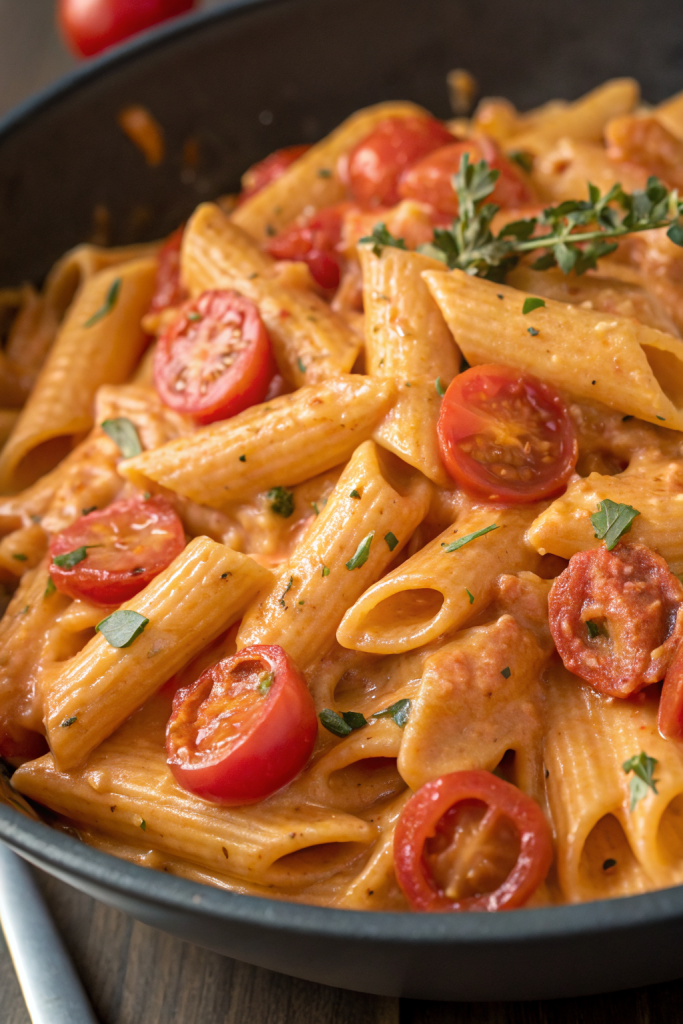
Tomato Pasta Recipe tastes bright, garlicky, and cozy, with just enough richness to feel special on a weeknight. It works for busy home cooks who want a 30–35 minute dinner that still tastes like it came from a tiny Italian grandma’s kitchen. I tested versions of this on my college roommates years ago, and they still text me photos when they cook it.
Why Make This Tomato Pasta Recipe at Home
Homemade tomato pasta gives you control over salt, spice, and richness, so the sauce fits your exact taste. You skip the extra sugar and mystery ingredients that many jarred sauces hide, and you get a fresher flavor in about the same time.
You also save money, especially if you cook for a family or like leftovers for lunch. The recipe uses mostly pantry ingredients, so you can keep everything on hand and avoid last‑minute takeout.
“This Tomato Pasta Recipe tastes like a restaurant dish but comes together on a Tuesday night budget and schedule. ★★★★★”
Ingredients You Need
Pasta
- 12 ounces dry pasta
- Short shapes like penne, rigatoni, or fusilli hold the sauce nicely.
- Use whole wheat or chickpea pasta if you want more fiber or protein.
Tomatoes
- 1 can (28 ounces) whole peeled tomatoes or crushed tomatoes
- I like San Marzano style for sweeter, less acidic flavor.
- Use fire roasted tomatoes if you want a subtle smoky note.
- 2 tablespoons tomato paste
- This deepens the tomato flavor and helps the sauce cling to the pasta.
Aromatics and veggies
- 2 tablespoons olive oil
- 1 small yellow onion, finely diced
- 2 small carrots, finely diced
- 4 cloves garlic, minced
- 1 teaspoon crushed red pepper flakes
- Cut this in half if you prefer mild heat, or skip it for kids.
Herbs and seasoning
- 1 teaspoon dried oregano
- 1 teaspoon dried basil
- 1 teaspoon sugar or honey
- This balances acidity; taste first if you use very sweet tomatoes.
- 1 to 1½ teaspoons kosher salt, plus more for pasta water
- ½ teaspoon freshly ground black pepper
Creaminess and richness (optional but tasty)
- 2 tablespoons butter
- ¼ to ½ cup heavy cream or half‑and‑half
- Use a splash of whole milk if that is what you have, but simmer gently so it does not curdle.
- ¼ cup grated Parmesan or Pecorino Romano, plus more for serving
Fresh finish
- ¼ cup chopped fresh basil or flat leaf parsley
- Zest of ½ lemon (optional, but it brightens the whole dish)
Pantry shortcuts and substitutions
- Use jarred minced garlic if you feel tired; just cook it gently so it does not burn.
- Swap the dried herbs for ¼ cup chopped fresh herbs and add them at the end.
- Use tomato sauce instead of canned whole tomatoes if that is what your pantry holds; just simmer a little less.
Equipment
- Large stock pot or Dutch oven
- Large pot for boiling pasta
- Wooden spoon or silicone spatula
- Measuring cups and spoons
- Colander
- Ladle or heatproof cup to scoop pasta water
Tips & Mistakes
- Salt the pasta water generously so the pasta carries flavor from the inside out.
- Scoop at least 1 cup of starchy pasta water before you drain, so you can adjust sauce thickness later.
- Chop the onion and carrot small so they soften quickly and blend into the sauce instead of staying crunchy.
- Keep the heat at medium when you sauté garlic so it turns golden, not bitter and burnt.
- Taste the canned tomatoes; if they taste very sharp, add the sugar or honey, if they taste sweet, use less.
- Simmer the sauce gently so it thickens and concentrates without scorching on the bottom.
- Add cream at the end and keep the heat low so the dairy stays smooth.
- Toss the pasta directly in the pot with the sauce instead of spooning sauce on top, so every piece gets coated.
- Stop cooking the pasta 1 minute before the package time and finish it in the sauce for better texture.
- Avoid overloading the sauce with cheese; add some, taste, then add more if you want extra richness.
How to Make Tomato Pasta Recipe
Step 1: Sauté veggies and aromatics
Heat oil in a large stock pot or Dutch oven over medium heat. Once hot, add onions and carrots; cook until soft, about 8 minutes. Stir in garlic, crushed red pepper, oregano, and dried basil; cook 2 minutes, until everything smells fragrant. Season with a pinch of salt and pepper.
Step 2: Build the tomato base
Stir in the tomato paste and cook it for 2 to 3 minutes so it darkens slightly and tastes sweeter. Pour in the canned tomatoes with their juices. Crush whole tomatoes with a spoon right in the pot or use crushed tomatoes as they are. Add sugar or honey, then stir and taste so you can adjust sweetness and salt.
Step 3: Simmer the sauce
Bring the sauce to a gentle bubble, then lower the heat to medium low. Let it simmer for 15 to 20 minutes, stirring every few minutes so it does not stick. The sauce should thicken slightly and taste richer. If it gets too thick, splash in a bit of water or later use pasta water to loosen it.
Step 4: Cook the pasta
While the sauce simmers, bring a large pot of water to a boil and salt it generously. Add the pasta and cook until just shy of al dente, usually 1 minute less than the package suggests. Scoop out at least 1 cup of pasta water, then drain the pasta.
Step 5: Make it silky and rich
Stir the butter into the tomato sauce until it melts. Add the cream or half‑and‑half and stir until the sauce turns a soft orange color. Sprinkle in the grated Parmesan and stir until it melts and thickens the sauce slightly. Taste again and adjust salt, pepper, or a pinch more sugar if needed.
Step 6: Toss pasta with the sauce
Add the drained pasta directly into the pot of sauce. Pour in a splash of pasta water, about ¼ cup, and toss over medium heat for 2 to 3 minutes. Add more pasta water as needed until the sauce coats the pasta and looks glossy, not gloopy. Stir in fresh basil or parsley and the lemon zest, then turn off the heat.
Step 7: Serve
Spoon the tomato pasta into warm bowls. Top with extra grated cheese and a few torn basil leaves. Add a drizzle of olive oil if you want a little extra richness. Serve hot while the sauce still clings perfectly.
Variations I've Tried
I swap the cream for a big spoonful of ricotta and stir it in at the end for a lighter, slightly tangy finish. I add sautéed mushrooms and spinach when I want more vegetables without cooking a separate side. I sometimes toss in cooked Italian sausage or rotisserie chicken for extra protein. I also stir in a spoonful of pesto right before serving when I crave a herby twist on the classic tomato pasta recipe.
How to Serve Tomato Pasta Recipe
Serve this tomato pasta recipe in warm bowls with extra Parmesan, fresh basil, and a drizzle of good olive oil. Pair it with a simple green salad, garlic bread, or roasted vegetables for a full meal. Kids usually love it plain, while adults might add crushed red pepper on top for extra heat. A cold sparkling water with lemon or a chilled herbal iced tea goes nicely on the side.
How to store
- Cool leftovers to room temperature, then store in an airtight container in the fridge for up to 4 days.
- Freeze portions in freezer safe containers or bags for up to 2 months, and label them with the date.
- Reheat on the stovetop over medium low heat with a splash of water or broth, and stir until the sauce loosens and the pasta heats through.
- Reheat in the microwave in short bursts, stirring between each burst, and add a tiny splash of water if the pasta looks dry.
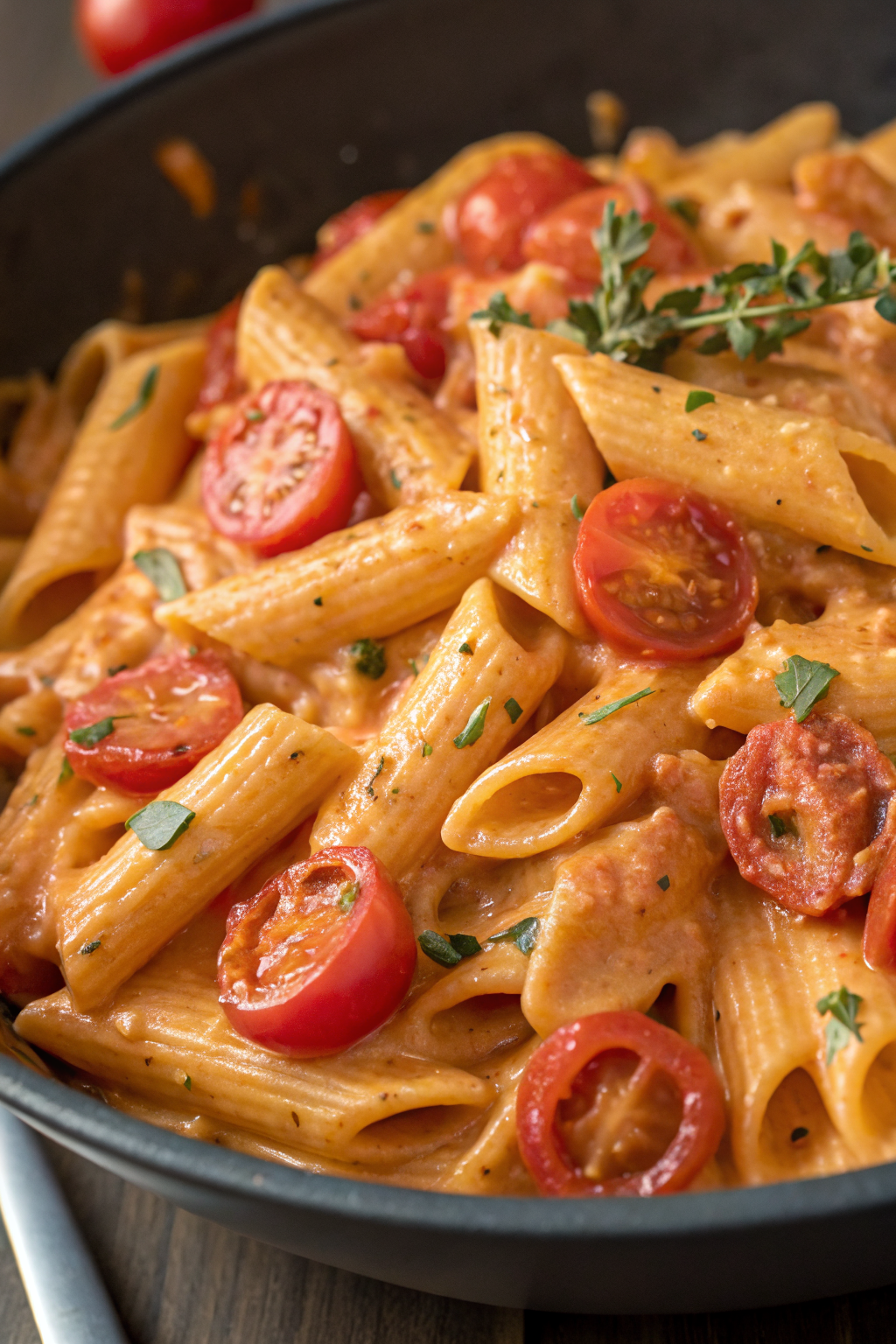
Tomato Pasta Recipe
Ingredients
Instructions
- Heat the olive oil in a large stock pot or Dutch oven over medium heat. Add the diced onion and carrots and cook, stirring occasionally, until softened, about 8 minutes.
- Stir in the garlic, crushed red pepper flakes (if using), dried oregano, and dried basil. Cook for about 2 minutes, until fragrant, then season with a pinch of salt and black pepper.
- Add the tomato paste and cook, stirring, for 2 to 3 minutes until it darkens slightly and smells sweet. Pour in the canned tomatoes with their juices, crushing whole tomatoes with a spoon if needed. Stir in the sugar or honey, then taste and adjust sweetness and salt as needed.
- Bring the sauce to a gentle simmer, then reduce the heat to medium-low. Simmer for 15 to 20 minutes, stirring every few minutes, until the sauce thickens slightly and the flavors deepen. If it becomes too thick, add a splash of water.
- While the sauce simmers, bring a large pot of salted water to a boil. Add the pasta and cook until just shy of al dente, about 1 minute less than the package directions. Reserve at least 1 cup of pasta water, then drain the pasta.
- Stir the butter into the tomato sauce until melted. Add the cream or half-and-half and stir until the sauce turns a soft orange color. Sprinkle in the grated Parmesan and stir until melted and slightly thickened. Taste and adjust salt, pepper, or a pinch more sugar if needed.
- Add the drained pasta directly to the pot of sauce. Pour in about 1/4 cup of reserved pasta water and toss over medium heat for 2 to 3 minutes, adding more pasta water as needed, until the sauce coats the pasta and looks glossy.
- Stir in the chopped fresh basil or parsley and the lemon zest, then remove from the heat. Serve the tomato pasta in warm bowls topped with extra grated cheese and a few torn basil leaves, and drizzle with a little olive oil if desired.
Notes
Approximate per serving (1/4 of recipe), using cream, butter, and Parmesan: 520 calories; fat 20 g; saturated fat 10 g; carbohydrates 70 g; fiber 5 g; sugars 12 g; protein 17 g; sodium 780 mg. Values will vary based on pasta shape, exact dairy amounts, cheese type, and portion size.
Leave a Reply