
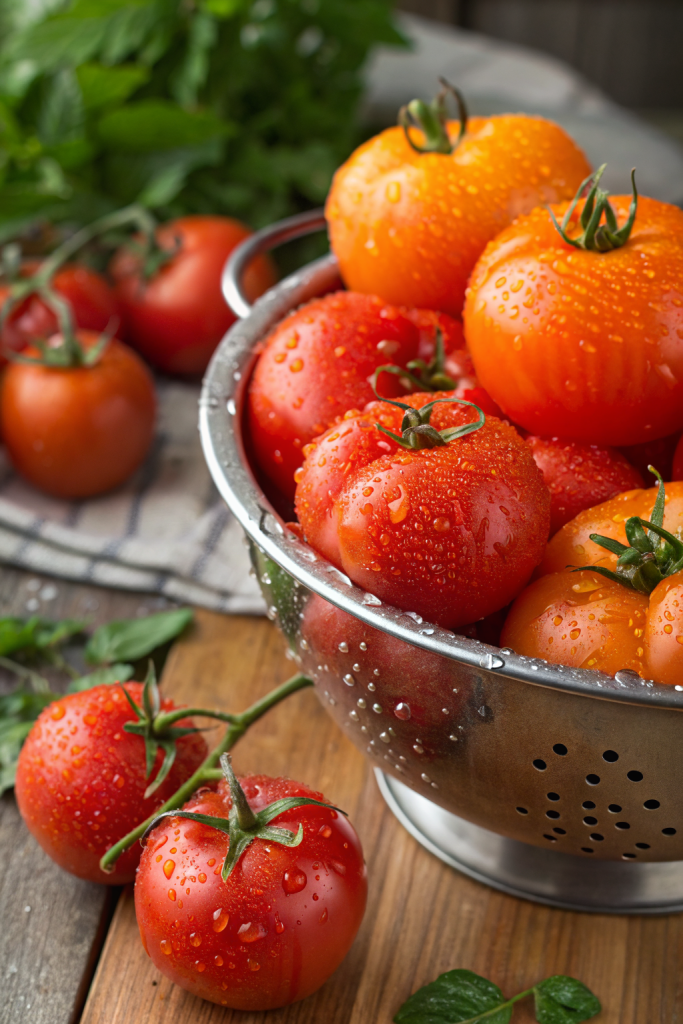
Fresh Tomato Basil Marinara Sauce Recipe tastes bright, garlicky, and a little sweet from slow-simmered fresh tomatoes, and it works for anyone who wants a from-scratch pasta sauce in under an hour. It fits busy weeknights, cozy Sunday dinners, and meal prep fans who want a big batch of sauce without babysitting a pot all day. I first cooked a version of this in my tiny college apartment and my neighbors still talk about how the hallway smelled like an Italian grandma moved in.
Why You Should Try This Fresh Tomato Basil Marinara Sauce Recipe
Fresh Tomato Basil Marinara Sauce Recipe uses peak-season tomatoes, plenty of garlic, and fresh basil, so it tastes cleaner and brighter than most jarred sauces. You control the salt, the sweetness, and the texture, so it fits picky kids, spice lovers, and everyone in between.
You also use simple pantry ingredients and basic equipment, so this recipe works for beginners and seasoned home cooks. The sauce freezes beautifully, so one relaxed cooking session sets you up for multiple easy dinners.
“This Fresh Tomato Basil Marinara Sauce Recipe tastes like a summer garden in a pot and beats every jar on my shelf by a mile. ★★★★★”
Ingredients You’ll Need
Fresh produce
- 4 pounds ripe tomatoes
- Roma or plum tomatoes give thicker sauce.
- Vine-ripened or heirloom tomatoes give brighter, juicier flavor.
- 1 medium yellow onion, finely diced
- 4 cloves garlic, minced or pressed
- 1 small carrot, finely grated or minced
- This adds natural sweetness and cuts acidity so you skip sugar.
- 1 celery stalk, finely diced (optional, for a more classic Italian soffritto vibe)
- 1 small bunch fresh basil
- Use about 1 packed cup leaves, torn or chopped.
- 1 small handful fresh parsley, chopped (optional, for extra freshness)
Pantry items
- 3 tablespoons extra-virgin olive oil
- Choose a decent-tasting one since you taste it in a simple sauce.
- 2 tablespoons tomato paste
- This deepens the tomato flavor and thickens the sauce.
- 1 teaspoon dried oregano
- 1 teaspoon dried thyme or Italian seasoning
- 1 teaspoon sugar or honey, only if the tomatoes taste very acidic
- 1 to 1½ teaspoons kosher salt, plus more to taste
- ½ teaspoon freshly ground black pepper
- ¼ to ½ teaspoon red pepper flakes, to taste
- ½ cup water or low-sodium vegetable broth, as needed for consistency
Optional flavor boosters
- 1 to 2 tablespoons grated Parmesan or Pecorino Romano at the end
- 1 teaspoon balsamic vinegar or red wine vinegar at the end for brightness
- 1 bay leaf during the simmer, then remove before serving
Substitutions and shortcuts
- No fresh tomatoes:
- Use two 28-ounce cans of whole peeled San Marzano tomatoes.
- Crush them by hand or with a spoon before they hit the pot.
- No fresh basil:
- Use 1 to 2 teaspoons dried basil and add more parsley at the end.
- Need it richer:
- Stir in a tablespoon of butter at the end for a silkier finish.
- Need it smoother:
- Use an immersion blender or regular blender and purée to your preferred texture.
Equipment list
- Large heavy-bottomed pot or Dutch oven
- Cutting board and sharp chef’s knife
- Wooden spoon or heatproof spatula
- Box grater or microplane for the carrot
- Ladle and measuring spoons
- Immersion blender or regular blender, if you want a smooth sauce
Tips & Tricks
- Score an X on the bottom of each tomato, blanch in boiling water 30 to 45 seconds, then shock in ice water so the skins peel right off.
- Use very ripe tomatoes; slightly soft ones with great aroma give the best flavor.
- Dice the onion, carrot, and celery very small so they melt into the sauce instead of standing out as chunks.
- Sauté the veggies until they turn lightly golden; that browning builds deep flavor.
- Toast the tomato paste in the pot for 2 to 3 minutes; it darkens and tastes richer.
- Add salt in layers: a pinch with the veggies, a pinch with the tomatoes, then adjust at the end.
- Keep the simmer gentle; a furious boil can scorch the bottom and make the sauce taste harsh.
- Taste the sauce near the end and adjust acidity with a pinch of sugar or a splash of vinegar, not both.
- Stir in fresh basil at the very end so it stays bright and fragrant.
- Cool the sauce completely before freezing so ice crystals stay minimal and texture stays nice.
How to Make Fresh Tomato Basil Marinara Sauce Recipe
Step 1: Prep the tomatoes
Bring a large pot of water to a boil and set a big bowl of ice water nearby. Score a small X on the bottom of each tomato with a sharp knife. Drop the tomatoes into the boiling water for 30 to 45 seconds, then move them straight into the ice bath.
Peel off the skins, which should slide off easily. Cut out the cores, then chop the tomatoes into chunks. If you want a thicker sauce, squeeze out some seeds and extra liquid over the sink before you chop.
Step 2: Sauté veggies and aromatics
Heat the olive oil in your large pot over medium heat. Add the onion, carrot, and celery if you use it, then cook until they turn soft and lightly golden, about 8 to 10 minutes, stirring often. Add the garlic and red pepper flakes, then cook 1 to 2 minutes until the garlic smells fragrant but not browned.
Stir in the tomato paste and cook it with the veggies for 2 to 3 minutes. The paste should darken slightly and coat the vegetables. Sprinkle in a pinch of salt and pepper at this stage to start building flavor.
Step 3: Add tomatoes and seasonings
Add the chopped tomatoes and any juices to the pot. Stir well so the tomatoes mix with the veggie and tomato paste base. Add dried oregano, dried thyme or Italian seasoning, bay leaf if using, and another pinch of salt.
If the mixture looks very thick, add up to ½ cup water or broth. Stir again and bring the pot to a gentle simmer over medium heat. Once it starts to bubble, lower the heat to medium-low so it simmers quietly.
Step 4: Simmer to develop flavor
Let the sauce simmer uncovered for 25 to 35 minutes, stirring every few minutes so nothing sticks. The tomatoes should break down and the sauce should thicken to a spoon-coating consistency. If it thickens too much, add a splash of water; if it stays thin, keep simmering until it reduces.
Taste the sauce after about 20 minutes. Adjust salt and pepper, and add a small pinch of sugar only if the tomatoes taste very sharp. Keep simmering until the flavor tastes rich and balanced.
Step 5: Finish with basil and final adjustments
Turn off the heat and remove the bay leaf if you used one. Stir in the chopped or torn fresh basil and parsley. If you like a smoother sauce, blend part or all of it with an immersion blender right in the pot.
Taste again and adjust seasoning. Add a splash of balsamic or red wine vinegar if the flavor needs a little brightness. Stir in grated Parmesan or a small knob of butter if you want a richer, rounder finish.
What to Serve with Fresh Tomato Basil Marinara Sauce Recipe
Fresh Tomato Basil Marinara Sauce Recipe loves a big bowl of al dente spaghetti, penne, or rigatoni. Spoon it over zucchini noodles or spaghetti squash if you want a lighter option. It also works as a base for homemade pizza, a dipping sauce for garlic bread or mozzarella sticks, or a topping for chicken cutlets or baked eggplant.
Use it to simmer meatballs, toss it with cheese ravioli, or layer it into lasagna. I also keep a jar in the fridge for quick baked eggs in marinara with a sprinkle of cheese on top. You can even use it as a sauce for stuffed bell peppers or a simple bean and veggie skillet.
Storage Options
- Cool the sauce to room temperature, then store it in airtight containers in the fridge for up to 5 days.
- Freeze portions in freezer-safe containers or zip bags for up to 3 months; lay bags flat so they stack easily.
- Reheat gently on the stove over medium-low heat, adding a splash of water if it thickened in the fridge or freezer.
- Reheat single portions in the microwave in short bursts, stirring between each, until hot and bubbly.
Fresh Tomato Basil Marinara Sauce Recipe
Ingredients
Instructions
- Bring a large pot of water to a boil and set a bowl of ice water nearby. Score a small X on the bottom of each tomato. Blanch the tomatoes in the boiling water for 30 to 45 seconds, then transfer immediately to the ice water.
- Peel off the skins, remove the cores, and chop the tomatoes into chunks. For a thicker sauce, squeeze out some of the seeds and excess liquid before chopping.
- Heat the olive oil in a large heavy-bottomed pot over medium heat. Add the onion, carrot, and celery if using. Cook, stirring often, until softened and lightly golden, about 8 to 10 minutes.
- Add the garlic and red pepper flakes. Cook 1 to 2 minutes, just until fragrant but not browned.
- Stir in the tomato paste and cook, stirring, for 2 to 3 minutes until it darkens slightly and coats the vegetables. Season with a pinch of salt and pepper.
- Add the chopped tomatoes and their juices to the pot. Stir to combine with the vegetables and tomato paste. Add the dried oregano, dried thyme or Italian seasoning, bay leaf if using, and another pinch of salt.
- If the mixture is very thick, add up to 1/2 cup water or vegetable broth. Bring to a gentle simmer over medium heat, then reduce the heat to medium-low to maintain a quiet simmer.
- Simmer uncovered for 25 to 35 minutes, stirring every few minutes so the sauce does not stick. The tomatoes should break down and the sauce should thicken to coat a spoon. Add a splash more water if it becomes too thick.
- After about 20 minutes, taste and adjust with more salt and pepper. If the tomatoes taste very sharp or acidic, stir in a small pinch of sugar or honey, then continue simmering until the flavor is rich and balanced.
- Turn off the heat and remove the bay leaf if used. Stir in the fresh basil and parsley. For a smoother sauce, blend part or all of it with an immersion blender to your preferred texture.
- Taste and adjust seasoning again. Add a small splash of balsamic or red wine vinegar if you want extra brightness, and stir in grated Parmesan and/or butter if you prefer a richer finish. Serve warm with pasta, pizza, or your favorite dishes.
Notes
Approximate per 1/2-cup serving (about 8 servings total): 90 calories; fat 6 g; saturated fat 1 g; carbohydrates 9 g; fiber 2 g; sugars 5 g; protein 2 g; sodium 260 mg. Values will vary based on tomatoes, salt, optional cheese, butter, and portion size.
Leave a Reply