
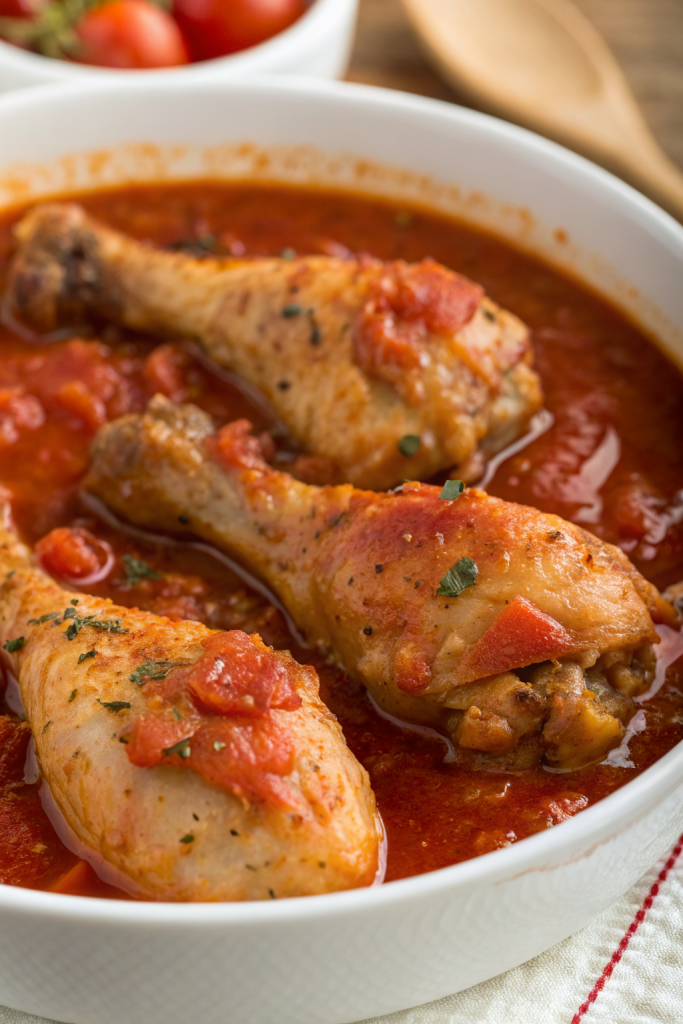
Korean Braised Spicy Chicken (Dak Doritang) Recipe hits that perfect spot between cozy comfort food and fiery, addictive flavor, and it tastes rich, savory, slightly sweet, and nicely spicy with tender chicken and soft potatoes in a glossy red broth. It works well for busy weeknights or casual weekend dinners, and you can get it on the table in about 45 to 55 minutes total. I started cooking Dak Doritang in a tiny apartment kitchen with one pot and a squeaky stove, and it still feels like my go to “big flavor, low effort” chicken dish.
Why Korean Braised Spicy Chicken (Dak Doritang) Recipe Is Worth It
Dak Doritang gives you deep, restaurant level flavor with simple, affordable ingredients. You simmer chicken with potatoes, carrots, and onions in a spicy gochujang and gochugaru sauce, so every bite tastes bold and comforting.
The recipe uses one pot, so cleanup stays easy. You can adjust the heat level for spice lovers or spice wimps, and the leftovers taste even better the next day.
“This Korean Braised Spicy Chicken (Dak Doritang) Recipe tastes rich, cozy, and perfectly spicy, and my family now requests it every single week. ★★★★★”
Ingredients You Need
You can find everything for Dak Doritang in a decent grocery store or Korean market. I will note pantry shortcuts and easy swaps as we go.
Chicken
- 2 to 2.5 pounds bone in, skin on chicken drumsticks and thighs
- Bone in pieces give richer flavor and juicier meat.
- You can use boneless thighs if you prefer, but reduce simmer time by about 5 to 7 minutes.
Vegetables
- 2 medium russet or Yukon gold potatoes, peeled and cut into large chunks
- 1 large carrot, peeled and cut into thick slices or chunks
- 1 medium yellow onion, sliced into thick wedges
- 3 to 4 cloves garlic, minced
- 1 inch piece fresh ginger, minced or grated (or 1 teaspoon ginger paste from a tube)
- 2 to 3 green onions, sliced (white and green parts separated)
- 1 small green chili and/or red chili, sliced (optional, for extra heat)
Sauce base
- 1.5 cups water or low sodium chicken broth
- 3 tablespoons Korean gochujang (fermented red chili paste)
- I like brands such as Chung Jung One or CJ Haechandle for balanced heat and sweetness.
- 2 to 3 tablespoons Korean gochugaru (red chili flakes)
- Use 2 tablespoons for medium heat, 3 for spicy.
- 3 tablespoons soy sauce
- Use regular or low sodium; if you use dark soy, cut back slightly and taste as you go.
- 1 tablespoon oyster sauce (optional, but it adds great depth)
- 1 to 2 tablespoons sugar, honey, or Korean rice syrup
- Start with 1 tablespoon and adjust to taste.
- 1 tablespoon mirin or cooking rice wine
- 1 tablespoon toasted sesame oil
- 1 teaspoon black pepper
Garnish
- Extra sliced green onions
- Toasted sesame seeds
Pantry shortcuts and substitutions
- Use ginger paste and minced garlic from a jar if you want to save prep time.
- If you cannot find gochujang, use a mix of miso paste and sriracha, but the flavor will taste slightly different.
- If you cannot find gochugaru, use a mix of regular chili flakes and a pinch of smoked paprika for color, but reduce the amount since regular flakes taste hotter.
Equipment list
- Large, wide pot or deep skillet with lid (a Dutch oven works great)
- Cutting board and sharp knife
- Measuring spoons and cups
- Wooden spoon or spatula
- Small bowl for mixing the sauce
Quick Tips & substitutions
- Cut potatoes and carrots into large chunks so they stay intact and do not turn mushy.
- Trim extra fat from chicken pieces if you want a lighter broth, but keep some skin for flavor.
- Rinse chicken pieces in cold water and pat dry to reduce excess blood and foam in the broth.
- Mix the sauce in a bowl before you add it to the pot so it blends smoothly.
- Adjust heat by changing gochugaru first, then gochujang if you still want less spice.
- Use boneless, skinless thighs for a leaner version and cut simmer time slightly.
- Swap potatoes with Korean radish or daikon if you want a less starchy, lighter stew.
- Use tamari or coconut aminos instead of soy sauce for a gluten free version, and choose gluten free gochujang.
- Add more water or broth if the sauce reduces too much; the stew should stay saucy, not dry.
- Taste the broth near the end and balance it with a pinch of sugar, soy sauce, or extra chili flakes as needed.
How to Make Korean Braised Spicy Chicken (Dak Doritang) Recipe
Step 1: Prep the chicken and vegetables
Pat the chicken pieces dry with paper towels and season them lightly with salt and pepper. Peel and cut the potatoes into large chunks, about 1.5 inch pieces, so they hold their shape. Slice the onion into thick wedges, cut the carrot into chunky pieces, mince the garlic and ginger, and slice the green onions and chilies.
Step 2: Mix the spicy braising sauce
In a small bowl, add gochujang, gochugaru, soy sauce, oyster sauce, sugar or honey, mirin, sesame oil, black pepper, and about 2 tablespoons of the water or broth. Stir until the mixture turns smooth and glossy with no lumps of gochujang. Taste a tiny bit and adjust sweetness or heat to your liking.
Step 3: Sear the chicken
Heat your large pot over medium high heat and add a drizzle of neutral oil. Place the chicken pieces in a single layer, skin side down, and sear them until the skin browns and turns lightly crisp, about 3 to 4 minutes per side. Work in batches if needed so you do not crowd the pot, then set the browned chicken aside on a plate.
Step 4: Build flavor with aromatics
In the same pot, lower the heat to medium and add the onion wedges, minced garlic, and ginger. Stir and cook until the onions soften slightly and the garlic smells fragrant, about 2 to 3 minutes. Scrape up any browned bits from the bottom of the pot because they add a lot of flavor to the Dak Doritang broth.
Step 5: Add chicken, sauce, and liquid
Return the seared chicken and any juices to the pot. Pour the spicy sauce mixture over the chicken, then add the remaining water or chicken broth. Stir gently so the sauce spreads evenly, and tuck the chicken pieces into the liquid as much as possible.
Step 6: Start the braise
Bring the pot to a gentle boil over medium high heat. Skim off any foam that rises to the top with a spoon so the broth tastes clean. Once it boils, reduce the heat to medium low, cover the pot with a lid, and let it simmer for about 15 minutes.
Step 7: Add potatoes and carrots
After 15 minutes, remove the lid and add the potato chunks and carrot pieces around the chicken. Stir gently so the vegetables sit mostly in the sauce. Cover the pot again and simmer for another 15 to 20 minutes, until the chicken turns very tender and the potatoes feel soft when you pierce them with a fork.
Step 8: Adjust consistency and seasoning
Remove the lid and check the sauce level. If it looks too thin, simmer uncovered for 5 to 10 minutes so it thickens slightly and coats the chicken and vegetables. Taste the broth and adjust with a splash of soy sauce for salt, a pinch of sugar for balance, or extra gochugaru for more heat.
Step 9: Finish with fresh toppings
Stir in the white parts of the green onions and sliced chilies during the last 2 to 3 minutes of cooking. Turn off the heat and drizzle a tiny bit more sesame oil on top if you like a nutty finish. Sprinkle the green parts of the green onions and toasted sesame seeds over the Korean Braised Spicy Chicken right before serving.
Step 10: Serve hot
Serve Dak Doritang bubbling hot in the pot or transfer it to a wide serving bowl. Spoon plenty of sauce over the chicken and vegetables. Set it on the table with steamed rice and banchan, and watch everyone quietly focus on eating for a few minutes.
Recipe Variations
- Gluten free: Use tamari instead of soy sauce and choose certified gluten free gochujang and gochugaru.
- Lower carb: Swap potatoes with Korean radish, daikon, or extra cabbage and mushrooms.
- Extra veggie loaded: Add zucchini, mushrooms, or cabbage during the last 10 minutes of simmering.
- Mild version: Cut gochugaru in half and use a mild gochujang; skip fresh chilies.
- Extra spicy: Add more gochugaru, sliced fresh chilies, or a spoon of chili crisp near the end.
- Boneless version: Use boneless, skinless chicken thighs, cut into large chunks, and reduce simmer time by about 5 to 7 minutes.
- Dairy free creamy twist: Stir in a splash of coconut milk at the end for a slightly creamy, mellow heat.
Ways to Serve Korean Braised Spicy Chicken (Dak Doritang) Recipe
- Serve over hot steamed short grain rice so the spicy sauce soaks into every bite.
- Pair with simple banchan like kimchi, cucumber salad, or seasoned spinach for a full Korean style meal.
- Spoon it over chewy Korean glass noodles for a cozy, stew meets noodle bowl situation.
- Serve with lettuce leaves and perilla leaves so you can wrap chicken and potatoes with rice and sauce.
- Offer a side of plain tofu or fried tofu cubes to soak up extra sauce.
Storage Success
Cool the Korean Braised Spicy Chicken to room temperature, then store it in airtight containers in the fridge for up to 3 to 4 days. The flavors deepen overnight, so the stew often tastes even better the next day. Reheat gently on the stove over medium low heat with a splash of water if the sauce thickened in the fridge. Freeze portions for up to 2 months, and thaw in the fridge before reheating so the potatoes keep a better texture.
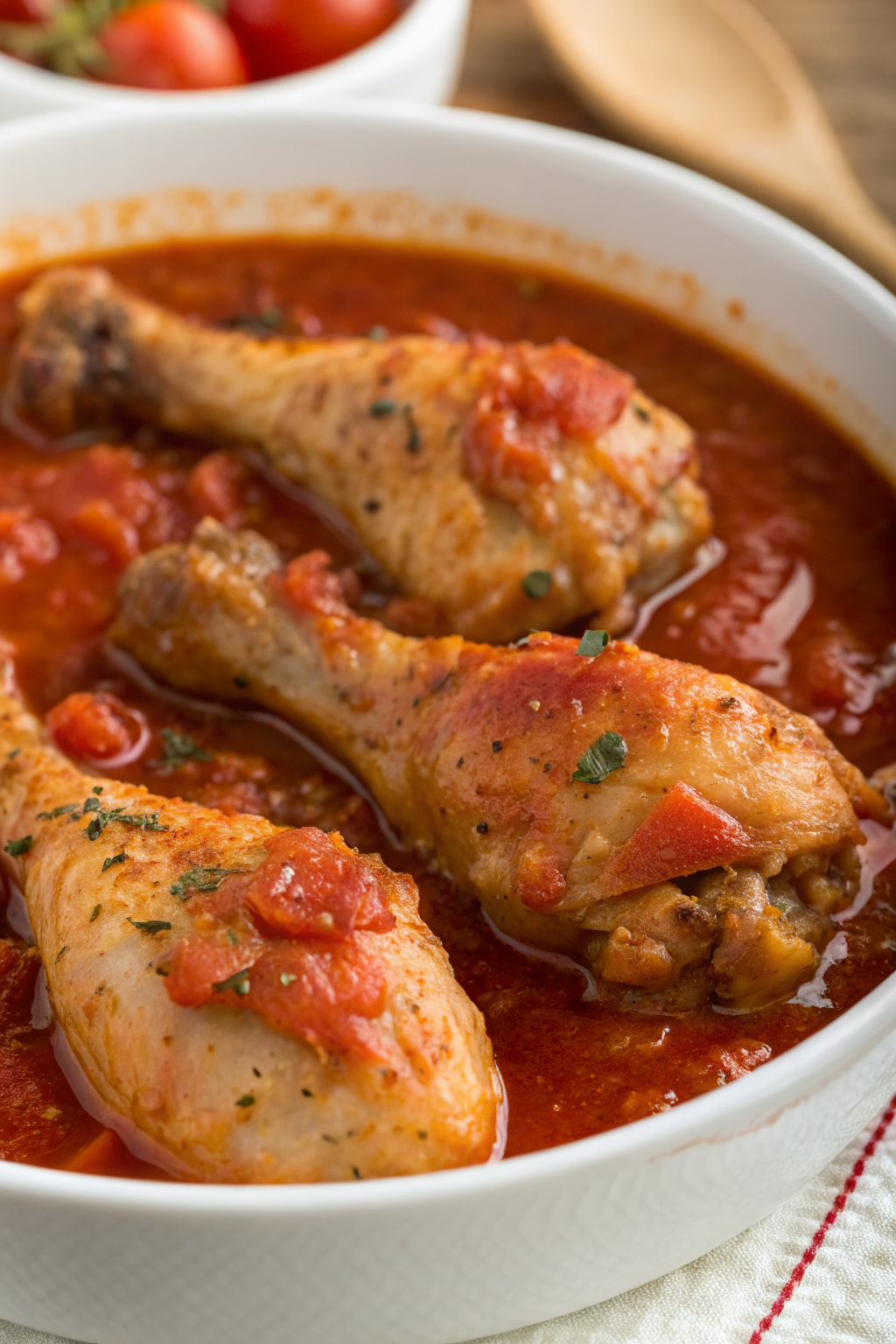
Korean Braised Spicy Chicken (Dak Doritang) Recipe
Ingredients
Instructions
- Pat the chicken pieces dry with paper towels and season lightly with salt and pepper. Peel and cut the potatoes into large chunks, slice the onion into thick wedges, cut the carrot into chunky pieces, mince the garlic and ginger, and slice the green onions and chilies (if using).
- In a small bowl, add gochujang, gochugaru, soy sauce, oyster sauce, sugar or honey, mirin, sesame oil, black pepper, and about 2 tablespoons of the water or broth. Stir until smooth and glossy, then taste and adjust sweetness or heat to your liking.
- Heat a large wide pot or Dutch oven over medium-high heat and add a drizzle of neutral oil. Place the chicken pieces in a single layer, skin side down, and sear until the skin browns and turns lightly crisp, about 3 to 4 minutes per side. Work in batches if needed, then transfer the browned chicken to a plate.
- In the same pot, reduce heat to medium and add the onion wedges, minced garlic, and ginger. Cook, stirring, until the onions soften slightly and the garlic is fragrant, about 2 to 3 minutes, scraping up any browned bits from the bottom of the pot.
- Return the seared chicken and any accumulated juices to the pot. Pour the spicy sauce mixture over the chicken, then add the remaining water or chicken broth. Stir gently so the sauce spreads evenly and nestle the chicken pieces into the liquid.
- Bring the pot to a gentle boil over medium-high heat. Skim off any foam that rises to the top, then reduce heat to medium-low, cover with a lid, and simmer for about 15 minutes.
- After 15 minutes, remove the lid and add the potato chunks and carrot pieces around the chicken, stirring gently so they sit mostly in the sauce. Cover again and simmer for another 15 to 20 minutes, until the chicken is very tender and the potatoes are soft when pierced with a fork.
- Remove the lid and check the sauce. If it looks too thin, simmer uncovered for 5 to 10 minutes until slightly thickened and coating the chicken and vegetables. Taste and adjust with a splash of soy sauce for salt, a pinch of sugar for balance, or extra gochugaru for more heat.
- Stir in the white parts of the green onions and the sliced chilies during the last 2 to 3 minutes of cooking. Turn off the heat and, if desired, drizzle a little more sesame oil on top.
- Sprinkle with the green parts of the green onions and toasted sesame seeds. Serve hot in the pot or transfer to a serving bowl, spooning plenty of sauce over the chicken and vegetables. Enjoy with steamed rice and banchan if desired.
Notes
Approximate per serving (4 servings): 520 calories; fat 26 g; saturated fat 7 g; carbohydrates 32 g; fiber 4 g; sugars 11 g; protein 39 g; sodium 1450 mg. Values will vary based on exact ingredients, brands, and portion size.
Leave a Reply