
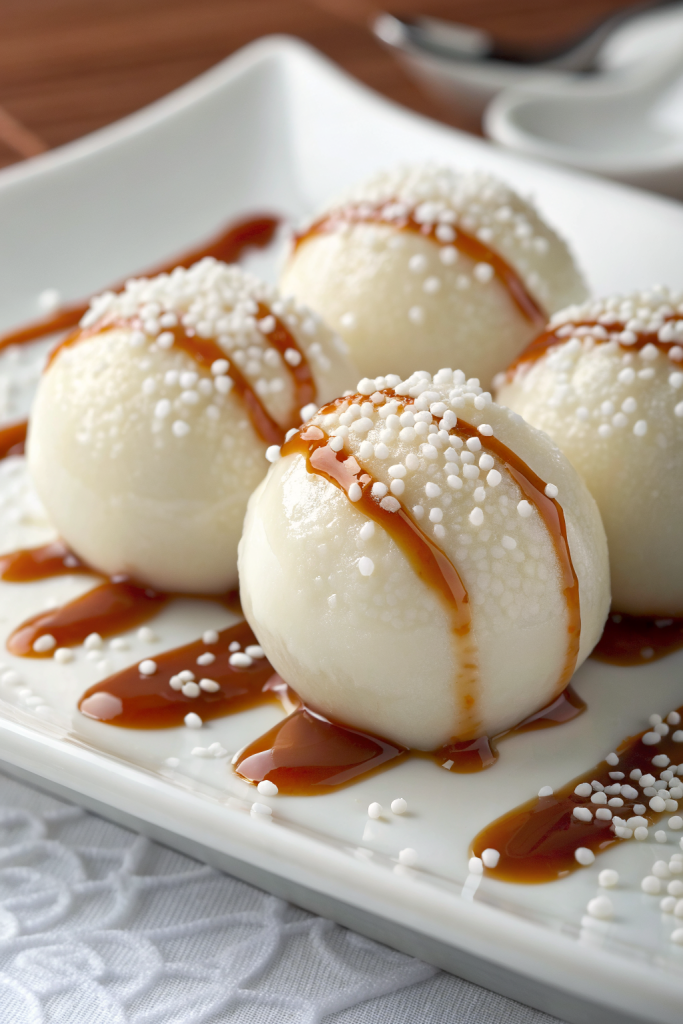
Shiratama Dango Japanese Dessert Recipe tastes soft, chewy, and lightly sweet, like a cross between mochi and fresh gnocchi in dessert form. It suits anyone who loves Japanese desserts and wants a quick treat, since you can finish it in about 30 minutes from start to finish. I first learned to roll these little rice dumplings at my tiny apartment counter, and I still find it incredibly calming after a long day.
Why Make This Shiratama Dango Japanese Dessert Recipe at Home
Homemade shiratama dango tastes fresher and bouncier than anything from a package. You control the sweetness, toppings, and texture, so you can keep it light or turn it into a full dessert bowl.
The recipe uses only a few pantry ingredients and simple tools, so beginners feel comfortable right away. Kids also love rolling the dough into tiny balls, which turns dessert into a fun kitchen project.
“Soft, chewy, and so customizable, this Shiratama Dango Japanese Dessert Recipe became our weekly dessert ritual at home! ★★★★★”
Ingredients You Need
Core ingredients
-
Shiratamako (glutinous rice flour, not regular rice flour)
- I like using brands such as Koda Farms or any Japanese brand from the Asian market.
- Shiratamako gives a smooth, bouncy texture that suits shiratama dango.
-
Water
- Use room temperature water so the dough hydrates evenly.
- Add it slowly so the dough stays soft but not sticky.
-
Sugar (optional, for lightly sweet dumplings)
- Use regular granulated sugar or superfine sugar.
- You can skip sugar in the dough if you serve the dango with sweet syrup or anko.
-
A pinch of salt
- This tiny amount brings out the natural rice flavor.
Classic toppings and sauces
Pick one or mix a few. That flexibility makes this Shiratama Dango Japanese Dessert Recipe fun.
-
Anko (sweet red bean paste)
- Tsubuan (chunky) or koshian (smooth), both work.
- Store bought anko saves time and still tastes great.
-
Kuromitsu (Japanese brown sugar syrup)
- You can buy bottled kuromitsu or make a quick version with dark brown sugar and water.
-
Kinako (roasted soybean flour)
- Mix kinako with a bit of sugar and a pinch of salt for a nutty coating.
-
Matcha syrup or matcha condensed milk
- Stir matcha powder with hot water and sugar, or drizzle sweetened matcha condensed milk.
-
Fresh fruit
- Strawberries, kiwi, mango, or canned mandarin oranges taste great with shiratama dango.
-
Vanilla ice cream or matcha ice cream
- The warm dango with cold ice cream combination tastes incredible.
Pantry shortcuts and substitutions
-
If you cannot find shiratamako, you can use mochiko (sweet rice flour) as a backup.
- Mochiko gives a slightly different, softer texture, but still works.
- Add water slowly, since mochiko absorbs water differently.
-
If you do not want to make kuromitsu, drizzle honey or dark maple syrup as a quick substitute.
-
If you avoid soy, skip kinako and use crushed roasted nuts or sesame seeds instead.
Equipment list
- Mixing bowl
- Silicone spatula or wooden spoon
- Kitchen scale or measuring cups
- Small pot for boiling water
- Slotted spoon or fine mesh strainer
- Small bowl of ice water for shocking the cooked dango
- Small bowls or glasses for serving
Tips & Mistakes
- Add water to the shiratamako slowly so the dough stays soft and pliable, not sticky or crumbly.
- Aim for a dough texture like soft earlobe or playdough, which shapes easily without cracking.
- If the dough cracks when you roll it, knead in a teaspoon of water at a time until it smooths out.
- If the dough sticks to your hands, dust your palms with a tiny bit of shiratamako.
- Roll the balls the same size so they cook evenly and finish at the same time.
- Press a tiny dimple in each ball with your finger so they cook through and do not burst.
- Keep the shaped dango covered with a slightly damp towel so they do not dry out before cooking.
- Boil the water at a gentle simmer so the dango do not break apart in rough bubbles.
- Cook the dango until they float, then give them 1 to 2 extra minutes so the centers turn chewy.
- Transfer the cooked dango straight into ice water so they keep a bouncy, springy texture.
- If you chill them for a while, rinse them briefly in warm water before serving so they soften again.
- Taste the first batch and adjust sweetness with toppings instead of overloading sugar in the dough.
How to Make Shiratama Dango Japanese Dessert Recipe
Step 1: Mix the shiratamako dough
Add shiratamako to a mixing bowl and stir in sugar and a pinch of salt.
Pour in water a little at a time while you mix with a spatula or your hand.
Once the dough starts to clump, switch to kneading with your hand until it feels smooth and soft.
Pinch a small piece and roll it.
If it cracks, knead in a bit more water.
If it sticks, dust with a tiny bit more shiratamako.
Step 2: Shape the dango
Pinch off small pieces of dough and roll them into balls about 2 centimeters wide, roughly the size of a large marble.
Try to keep them all the same size so they cook evenly.
Line them up on a plate or tray so they do not touch too tightly.
Use your fingertip to press a tiny dimple into the center of each ball.
This helps the heat reach the middle and gives each dango a cute, traditional look.
Cover the tray with a slightly damp kitchen towel while you boil water.
Step 3: Cook the shiratama dango
Bring a pot of water to a steady boil, then lower the heat slightly so it stays at a strong simmer.
Gently slide in the dango, stirring once so they do not stick to the bottom.
The dango will sink first, then float as they cook.
When they float, cook them for another 1 to 2 minutes so the centers set with a chewy texture.
Scoop them out with a slotted spoon and transfer them straight into a bowl of ice water.
Let them chill for a few minutes while you prepare toppings.
Step 4: Prepare toppings and sauces
Spoon anko into a small bowl and stir it to loosen the texture.
If it feels too thick, mix in a teaspoon or two of hot water.
For kinako, stir kinako powder with sugar and a pinch of salt in a small dish.
If you use kuromitsu, either pour it from the bottle or simmer dark brown sugar with a bit of water until it thickens.
Wash and slice any fruit you plan to serve with the shiratama dango.
Set out ice cream, syrups, and toppings so everyone can build their own bowl.
Step 5: Assemble and serve
Drain the chilled shiratama dango and shake off extra water.
Portion them into serving bowls.
Top with anko, drizzle with kuromitsu or honey, and dust with kinako.
Add fruit and a scoop of ice cream if you want a richer dessert.
Serve the Shiratama Dango Japanese Dessert Recipe right away while the texture stays soft and bouncy.
If they sit in liquid too long, they soak it up and turn too soft, so assemble just before serving.
Variations I've Tried
Matcha shiratama dango: mix a teaspoon or two of matcha powder into the shiratamako before you add water, which gives a green color and gentle tea flavor.
Black sesame dango: stir ground black sesame seeds and a bit of sugar into the dough, then serve with extra sesame and syrup.
Tofu shiratama dango: swap part of the water with soft silken tofu for a slightly softer, almost custardy texture.
Fruit shiratama dango: pair the plain dumplings with fruit cocktail, fresh berries, or mango and a drizzle of condensed milk.
Coconut shiratama dango: cook the dango as usual, then serve them in lightly sweetened coconut milk with fruit on top.
Coffee syrup version: drizzle the dango with sweet coffee syrup and add vanilla ice cream for a coffee shop style dessert.
How to Serve Shiratama Dango Japanese Dessert Recipe
Serve the Shiratama Dango Japanese Dessert Recipe in small bowls with a mix of textures and flavors, like anko, kinako, and fruit. Warm the dango briefly in hot water if they chilled in the fridge, then drain and top them. Add a scoop of vanilla or matcha ice cream and a drizzle of kuromitsu or honey for a dessert that feels special but still light. Kids also enjoy a simple version with just syrup and sliced strawberries.
How to store
- Store cooked shiratama dango in an airtight container in the fridge for up to 1 day for the best texture.
- Keep the dango separate from sauces and toppings, since they soak up liquid and turn mushy.
- To reheat, pour hot water over the chilled dango, let them sit for 1 to 2 minutes, then drain and serve warm.
- Freeze uncooked dough balls on a tray until firm, then store them in a freezer bag for up to 1 month and cook them straight from frozen, adding a couple extra minutes of simmer time.
Shiratama Dango Japanese Dessert Recipe
Ingredients
Instructions
- Add the shiratamako to a mixing bowl and stir in the sugar and a pinch of salt.
- Pour in the room temperature water a little at a time, mixing with a spatula or your hand until the dough starts to clump together.
- Switch to kneading with your hand until the dough feels smooth, soft, and pliable, similar to a soft earlobe or playdough.
- Pinch off a small piece of dough and roll it; if it cracks, knead in a small amount of water. If it sticks to your hands, dust lightly with a bit more shiratamako.
- Pinch off small pieces of dough and roll them into balls about 2 cm wide, roughly the size of a large marble, keeping them as even in size as possible.
- Arrange the balls on a plate or tray so they do not touch too tightly.
- Press a tiny dimple into the center of each ball with your fingertip to help them cook evenly and prevent bursting.
- Cover the shaped dango with a slightly damp kitchen towel while you prepare to boil them so they do not dry out.
- Bring a pot of water to a steady boil, then reduce the heat slightly so it stays at a strong simmer.
- Gently slide the dango into the simmering water, stirring once so they do not stick to the bottom.
- Let the dango cook; they will sink at first and then float to the surface as they cook through.
- Once they float, continue cooking for 1 to 2 minutes so the centers set with a chewy texture.
- Scoop the cooked dango out with a slotted spoon and transfer them immediately into a bowl of ice water. Let them chill for a few minutes to keep a bouncy, springy texture.
- Loosen the anko in a small bowl by stirring; if it feels too thick, mix in a teaspoon or two of hot water.
- Stir kinako with sugar and a pinch of salt in a small dish if you plan to dust the dango.
- Wash and slice any fruit you want to serve with the dango, and have kuromitsu, honey or syrup, and ice cream ready.
- Drain the chilled shiratama dango well and portion them into serving bowls.
- Top with anko, drizzle with kuromitsu or other syrup, and dust with kinako. Add fresh fruit and a scoop of ice cream if you like a richer dessert.
- Serve immediately while the shiratama dango are soft and bouncy, assembling just before serving so they do not soak up too much liquid.
Notes
Approximate per serving (4 servings, without toppings): 160 calories; fat 0 g; saturated fat 0 g; carbohydrates 37 g; fiber 0 g; sugars 7 g; protein 3 g; sodium 60 mg. Adding anko, syrups, fruit, or ice cream will increase sugars, calories, and fat. Values are estimates and will vary based on exact ingredients, toppings, and portion size. Storage
Store cooked shiratama dango in an airtight container in the refrigerator for up to 1 day, keeping them separate from sauces and toppings so they do not turn mushy. To reheat, pour hot water over chilled dango, let sit for 1 to 2 minutes, then drain and serve warm. Uncooked dough balls can be frozen on a tray until firm, then transferred to a freezer bag and stored for up to 1 month; cook them straight from frozen, adding a couple of extra minutes of simmering time.